
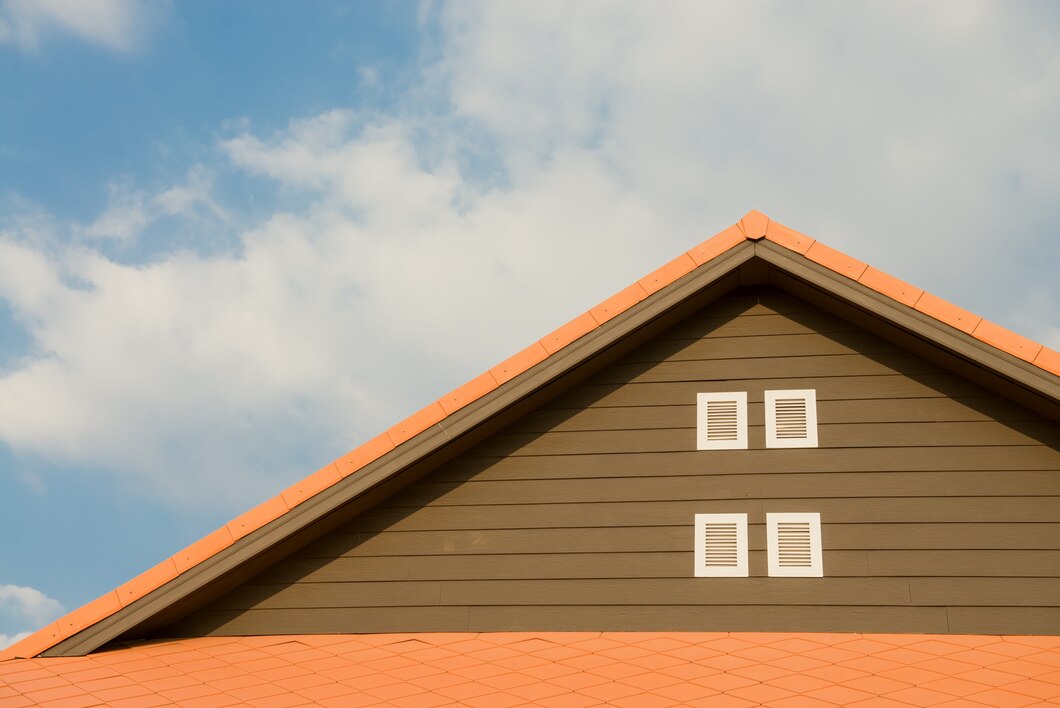
Living in Texas means facing extreme heat, which can be tough on roofs. The relentless sun and high temperatures can cause serious damage if your roof isn’t prepared to handle the heat. That’s why maintaining your roof is crucial to ensure it lasts for years and shields your home effectively.
Understanding the Impact of Texas Heat on Roofs
The Texas sun is no joke, especially when it comes to the roof over your head. Intense sunlight can cause significant damage to various roofing materials. As the sun’s rays beat down on a roof, they can cause shingles and other materials to dry out and crack. This can lead to brittleness, making the roof more prone to leaks and other issues. Asphalt shingles, in particular, are susceptible to curling and losing their protective granules, directly impacting the roof’s effectiveness.
High temperatures also play a crucial role in roof longevity. When roofs get too hot, the materials can expand and warp. This affects their integrity and can shorten their lifespan. Metal roofs can be more resilient, but they still face challenges like expansion and contraction, which may loosen fasteners over time.
Homeowners should be aware of signs that indicate heat damage. Look for curling or missing shingles, cracks, or areas where the roof seems to be sagging. Discoloration can also be a sign that your roof has been exposed to excessive heat. By catching these issues early, you can prevent costly repairs or replacements down the line.
Choosing Heat-Resistant Roofing Materials
With the harsh Texas heat in mind, selecting heat-resistant roofing materials is vital. Reflective shingles and coatings can be a game-changer, as they are designed to reflect more sunlight and absorb less heat. This not only helps keep your home cooler but also reduces energy costs.
Advancements in cool roof technology have expanded the options available to homeowners. Cool roofs are designed with materials that effectively reflect sunlight and lower roof temperatures. These roofs can reduce peak cooling demand by 10-15%, leading to noticeable savings on energy bills. Options include specialized tiles, reflective metal roofing, and innovative coatings that enhance traditional materials.
When comparing different roofing materials, consider their ability to withstand the intense heat. Asphalt, metal, and tile offer different levels of heat resistance and performance:
1. Asphalt Shingles: Affordable but may require reflective coatings to improve heat resistance.
2. Metal Roofing: Naturally reflective and durable, a solid choice for energy efficiency.
3. Tile Roofing: Provides excellent insulation and longevity, though it’s more expensive upfront.
Each option has its pros and cons, so evaluating the best fit for your home and budget is crucial. By investing in heat-resistant materials, you not only protect your home but also enjoy a more comfortable and efficient living space.
Essential Maintenance Practices for Hot Climates
In hot climates like Texas, maintaining your roof is critical to ensure it withstands the intense heat and remains in good condition. Routine inspections during hot weather help identify issues early. Look for signs of damage such as loose shingles, cracks, or areas where the roof may be sagging. Regular inspections can prevent small problems from becoming big headaches.
Proper roof ventilation is another essential component of maintenance. Ventilation systems help regulate the temperature and moisture levels in your attic, reducing the risk of heat damage. Increased airflow can also help prevent mold and mildew growth that might otherwise arise from trapped humidity.
Clearing debris and maintaining gutters is a simple yet effective way to care for your roof. Debris, such as leaves and twigs, can trap moisture and cause deterioration over time. Make sure gutters are clean and free-flowing to avoid water buildup that can lead to leaks. Regular cleaning ensures that your roof performs well, even under the strain of scorching summer days.
Integrating SolarSolutions on Your Roof
Integrating Solar solutions can dramatically improve your roof’s performance in hot climates. Solar panels are particularly effective in sunny regions like Texas, where they can maximize energy production and provide significant savings on energy bills. They harness sunlight to generate electricity, making them an excellent option for reducing your carbon footprint.
Solar panels also contribute to roof temperature regulation. They provide shade and reduce the amount of heat absorbed by the roof. This shading effect can lower the temperature of the roofing material, extending its lifespan and reducing the heat that penetrates into your home.
When considering installing Solar panels alongside heat-resistant roofing materials, a few factors should be taken into account. Ensure that your roof is in good condition before installation to avoid future repairs that could disrupt Solar systems. Also, consult with experts to select the best system that suits your energy needs and the climate of your area.
Conclusion
Ensuring your roof can stand up to Texas heat involves understanding the impact of high temperatures and utilizing materials and practices that protect your home effectively. By choosing the right heat-resistant materials and integrating Solar technology, you enhance your roof’s durability while reducing energy consumption. Maintenance plays a pivotal role, too—routine inspections, proper ventilation, and debris-free gutters are key to prolonging your roof’s lifespan.
At James Kate Roofing & Solar, we’re here to help you beat the heat with expert advice and top-notch roofing solutions. Whether you’re looking to upgrade to more heat-resistant materials or want to explore Solar options, we offer the expertise needed to make informed decisions. Get in touch to discover how we can help transform your roofing experience and enhance your home’s comfort and efficiency.
