Homeowners increasingly focus on energy-efficient solutions for a more sustainable and cost-effective lifestyle. While energy-efficient appliances and insulation methods are commonly discussed, the role of your roof in influencing energy consumption often needs to be noticed. Your roof is more than just a protective shield against the elements; it plays a significant role in determining your home’s energy efficiency and, consequently, the size of your utility bills.
Understanding the Roof-Energy Connection
The connection between roofing and energy efficiency might take some time, but it’s essential to grasp the concept. The sun’s powerful rays beat down on your roof day in and day out. Depending on the material and color of your roofing, it can either absorb and retain this heat or reflect it away. This process has a direct impact on the indoor temperature of your home.
Understanding the Impact of Roofing Materials On Indoor Temperatures: Cool Roofs vs. Dark Roofs
Two primary roofing materials are commonly used: cool roofs and dark roofs. Cool roofs, often made from reflective materials or coated with reflective paint, are designed to reflect a significant portion of the sun’s rays. This reflection reduces the heat the roof absorbs and subsequently lowers the indoor temperature, reducing the need for excessive air conditioning.
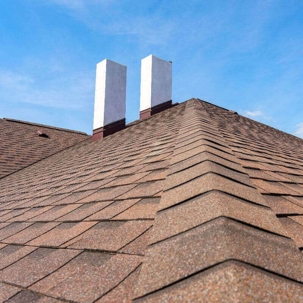
On the other hand, dark roofs, such as asphalt shingles, tend to absorb and retain heat, leading to higher indoor temperatures.
Benefits of Energy-Efficient Roofing
- Reduced Energy Consumption: The most immediate benefit of an energy-efficient roof is reduced energy consumption. By reflecting a higher percentage of sunlight, your cooling system doesn’t need to work as hard to maintain comfortable indoor temperatures during the hotter months.
- Lower Utility Bills: With reduced energy consumption comes lower utility bills. Homeowners with energy-efficient roofs often experience noticeable savings on their monthly energy expenses.
- Extended Roof Lifespan: Energy-efficient roofing materials tend to have a longer lifespan because they are exposed to fewer extreme temperature fluctuations. This means fewer repairs and replacements over time.
- Environmental Impact: Energy-efficient roofing reduces your community’s overall energy demand. By using less energy to cool your home, you’re helping to lower greenhouse gas emissions and combat climate change.
Choosing the Right Roofing Material
When considering energy efficiency in roofing, choosing roofing material becomes crucial. Materials such as metal roofing, clay tiles, and certain types of shingles are known for their reflective properties and ability to keep your home cooler. These materials are designed to minimize heat absorption and transfer, helping to maintain a comfortable indoor environment.
Additional Tips For Improved Energy Efficiency
- Insulation: Adequate attic insulation prevents heat from seeping into your living spaces. Proper insulation minimizes temperature fluctuations and reduces the load on your cooling system.
- Ventilation: Proper attic ventilation is essential for allowing hot air to escape and cooler air to circulate. This can further reduce indoor temperatures and energy consumption.
- Regular Maintenance: Keep your roof clean and well-maintained to maintain its reflective properties. Dirt and debris can diminish its ability to reflect sunlight effectively.
Consider consulting with roofing professionals who are well-versed in energy-efficient options to make an informed choice that benefits your wallet and the environment.
