What You Need to Know About Mold and Water Damage solar
Mold and water damage solar is the process of removing moisture, drying affected materials, eliminating mold growth, and returning a property to safe, pre-damage condition.
Here’s a quick breakdown of what it involves:
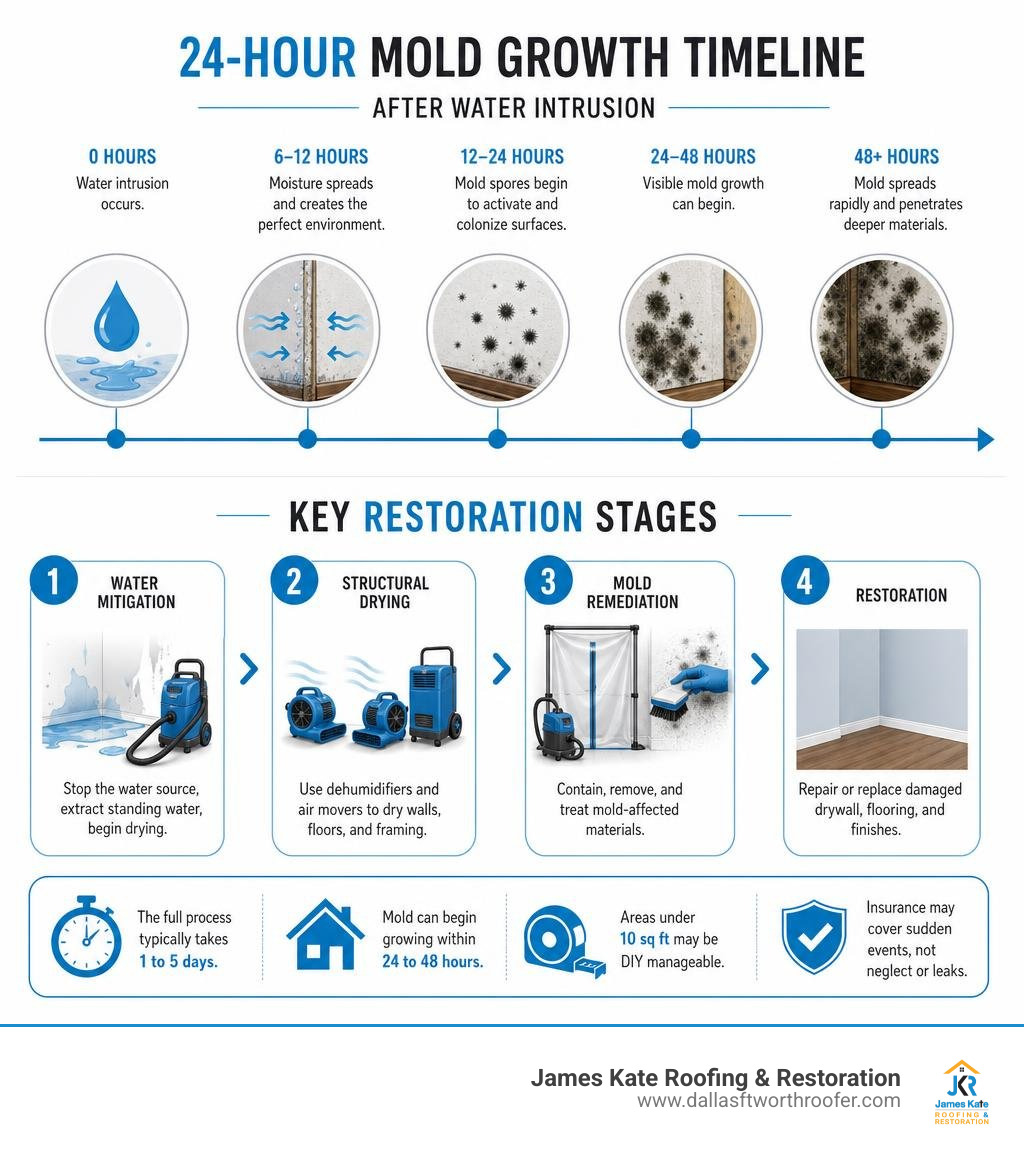
| Stage | What Happens |
|---|---|
| Water Mitigation | Stop the water source, extract standing water, begin drying |
| Structural Drying | Use dehumidifiers and air movers to dry walls, floors, and framing |
| Mold Remediation | Contain, remove, and treat mold-affected materials |
| solar | Repair or replace damaged drywall, flooring, and finishes |
A few facts to know right away:
- Mold can begin growing within 24 to 48 hours of water intrusion
- Areas under 10 square feet may be manageable as DIY — anything larger needs a professional
- Homeowners insurance may cover solar if damage came from a sudden event like a burst pipe — but not from neglect or long-term leaks
- The full process typically takes 1 to 5 days, though larger jobs can run longer
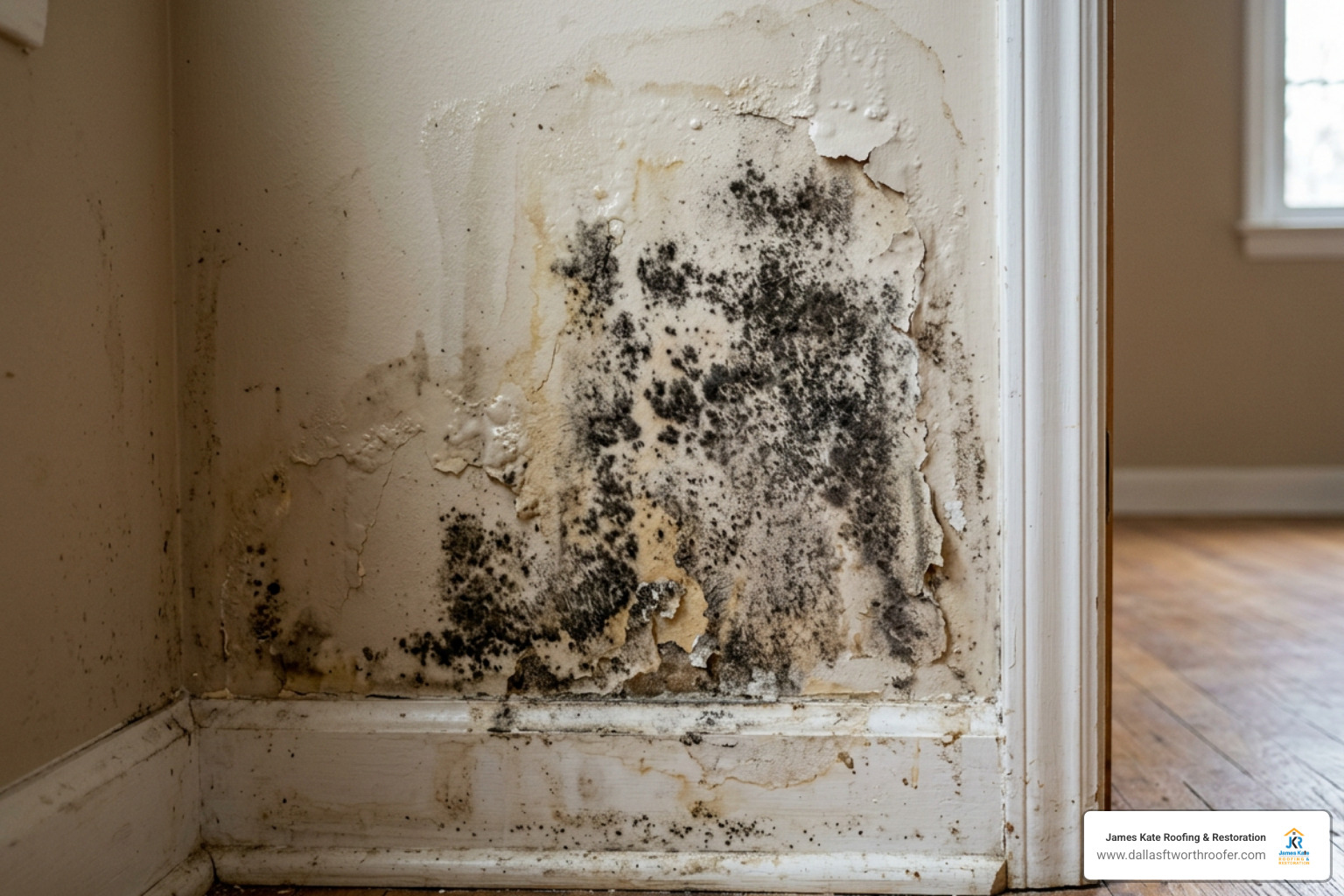
Water damage is rarely just a wet floor. Left untreated, even a small roof leak or plumbing failure can quietly set off a chain reaction — soaking into drywall, seeping behind cabinets, and creating the warm, damp conditions mold needs to take hold. By the time you see visible mold or smell that musty odor, the damage is often already deeper than it looks.
That’s what makes this topic worth understanding before disaster strikes.
I’m Dustin Eatman, owner of James Kate Roofing & solar in the Dallas–Fort Worth area, and I’ve worked directly on insurance solar projects involving mold and water damage solar — from initial inspection and scope documentation through full structural rebuild. In the sections below, I’ll walk you through exactly how this process works, when to call a professional, and how to protect your property and your family’s health.
Essential mold and water damage solar terms:
Water Damage solar vs. Mold Remediation
When homeowners in DFW cities like Mansfield, Arlington, or Midlothian experience a pipe burst or storm damage, they often use the terms “water damage solar,” “mold removal,” and “mold remediation” interchangeably. However, in the professional solar industry, these terms refer to distinct phases of property recovery.
To protect your home and ensure your insurance claim is handled correctly, it is helpful to understand how these processes differ:
| Feature | Water Damage solar | Mold Removal | Mold Remediation |
|---|---|---|---|
| Primary Goal | Extract water, dry structural materials, and rebuild damaged areas. | Wipe away or physically strip visible mold from surfaces. | Address the root moisture source, contain spores, sanitize the air, and remove contaminated materials. |
| Focus Area | Water extraction, structural drying, and cosmetic reconstruction. | Surface-level cleaning (often temporary if moisture remains). | Comprehensive environmental control, air filtration, and structural sanitization. |
| Equipment Used | Submersible pumps, extraction vacuums, industrial air movers, LGR dehumidifiers. | Brushes, spray bottles, basic personal protective equipment (PPE). | Negative air machines, HEPA vacuums, containment barriers, air scrubbers, antimicrobial sealants. |
| When It Occurs | Immediately following a leak, flood, or storm event. | Typically attempted as a quick DIY fix for minor surface spots. | Once mold has colonized (24–72 hours post-water exposure) or when hidden mold is found. |
Water Extraction and Structural Drying
Water damage solar is the overarching process of returning your property to its pre-loss state. It begins with immediate water extraction to prevent standing water from ruining subfloors and framing. Once the bulk of the water is pumped out, structural drying begins.
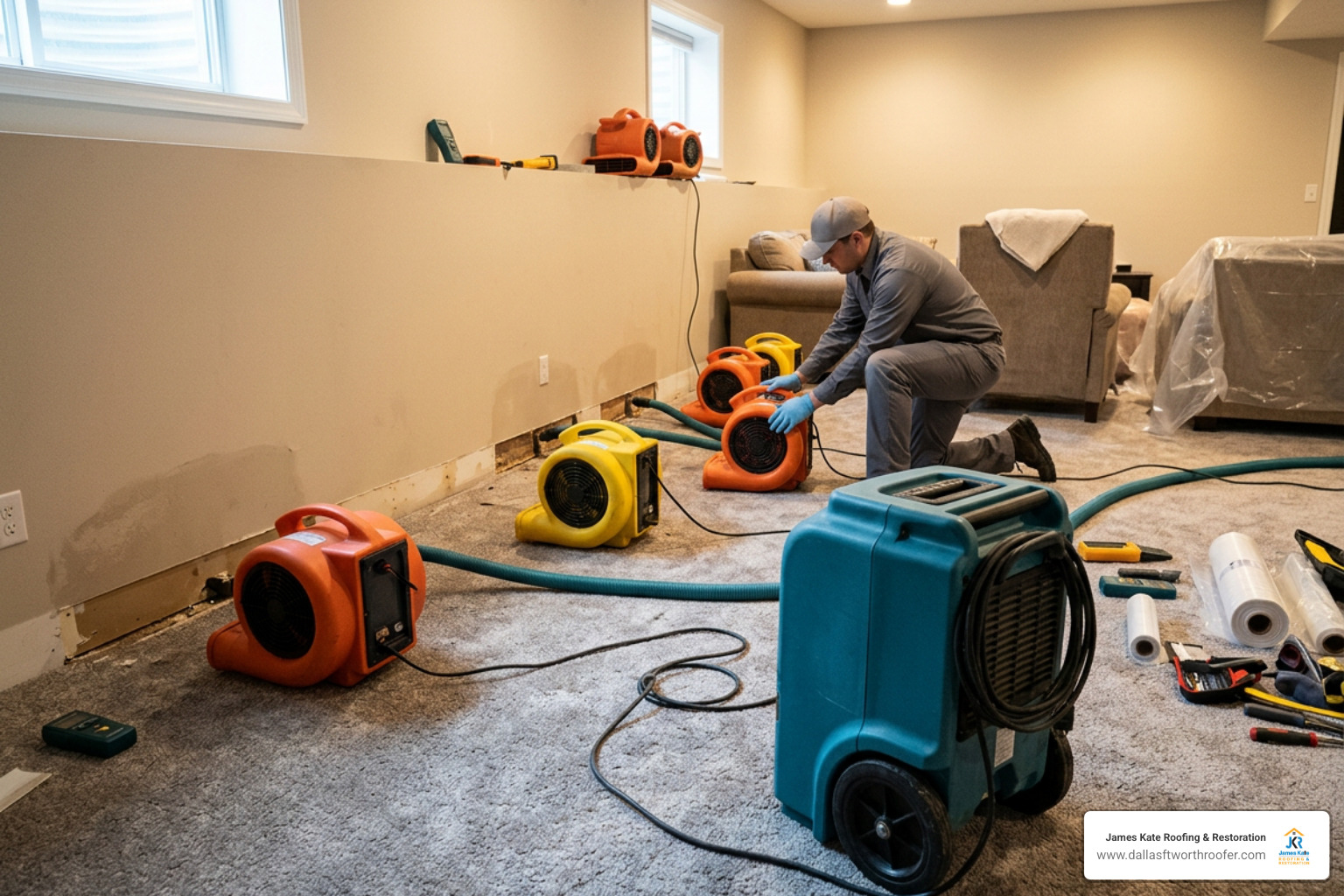
Structural drying is a highly scientific process. We don’t just set up standard household fans and hope for the best. We use commercial-grade low-grain refrigerant (LGR) dehumidifiers and high-velocity air movers to pull deeply embedded moisture out of porous materials like wood studs, plaster, and concrete. Without this deep-drying phase, any cosmetic repairs you make will fail, and mold will inevitably thrive.
Mold Containment and the Remediation Approach
“Mold removal” is technically a misnomer because mold spores exist naturally everywhere in the air—both indoors and outdoors. It is physically impossible to remove 100% of mold spores from a home.
This is why professionals focus on mold remediation. Remediation is a structured protocol designed to bring mold spore levels back to safe, natural background levels.
A critical step in this process is mold containment. Before we disturb any moldy drywall or flooring, we erect physical barriers using heavy-duty plastic sheeting and establish negative air pressure. This ensures that when we remove contaminated materials, invisible mold spores do not escape into your HVAC system or drift into unaffected rooms of your home.
If your water damage involves highly contaminated water sources, the remediation protocols become even more strict. For a deep dive into handling hazardous water intrusions, read our guide on Everything You Need to Know About Category 3 Water Loss.
Understanding the Three Categories of Water Loss
Before any solar work begins, professionals must classify the water contamination level. This classification determines the safety protocols, personal protective equipment (PPE) required, and whether certain building materials can be saved or must be discarded.
We break water loss down into three industry-standard categories:
Category 1: Clean Water
This water originates from a sanitary source, such as a broken water supply line, a failing faucet, or a toilet tank overflow (without contaminants). While Category 1 water is safe to handle initially, it does not stay clean forever. If Category 1 water is left standing in warm Texas temperatures for more than 24 to 48 hours, it quickly degrades into Category 2 or Category 3 water as it mixes with floor dust, chemicals, and organic matter.
Category 2: Gray Water
Gray water contains a significant degree of chemical, biological, or physical contamination. Common sources include washing machine overflows, dishwasher discharge, or toilet overflows with some urine but no feces. This water can cause discomfort or sickness if consumed or contacted. Porous materials saturated with gray water must be carefully evaluated; carpet padding is almost always discarded, while the carpet itself may sometimes be salvaged if treated promptly with industrial disinfectants.
Category 3: Black Water
Black water is highly unsanitary and contains pathogenic agents, sewage, toxic chemicals, or heavy metals. Examples include sewage backups, rising floodwaters from rivers or streams, and wind-driven rain from hurricanes or severe North Texas storms.
Black water poses severe health risks and requires full hazmat protocols. All porous materials—including drywall, insulation, carpet, pad, and upholstered furniture—that come into contact with Category 3 water are considered unsalvageable and must be cut out and discarded.
For a complete breakdown of how to protect your household during a water crisis, check out our Water Damage solar Survival Guide. You can also learn more about the specific dangers of sewage and outdoor flooding by reading about Black Water Blues: Understanding and Remediating Category 3 Water Damage and exploring The Essential Guide to Identifying Your Category of Water Loss.
The Crucial Steps of Mold and Water Damage solar
To successfully restore a home after a flood or leak, we follow a strict, multi-phase protocol. Skipping even one of these steps can lead to structural rot, persistent musty smells, and recurring mold colonies.
Step-by-Step Water Mitigation and Drying Process
When our team arrives at a home in Arlington or Grand Prairie, we execute a structured five-step solar plan:
1. Inspection and Damage Assessment
We use specialized diagnostic tools to map the moisture. Moisture meters (both pin-type and pinless) allow us to read the exact moisture content inside drywall and wood framing. Infrared thermal imaging cameras help us “see” cold spots behind walls where water has pooled but hasn’t yet stained the paint. This ensures we don’t miss hidden pockets of water that could later trigger mold growth.
2. Water Extraction
Removing standing water in its liquid state is hundreds of times faster and more efficient than trying to evaporate it. We use truck-mounted water extraction units and submersible pumps to remove thousands of gallons of water quickly. For saturated carpeting, we use specialized weighted extraction tools to pull water directly out of the carpet pile. If you’ve experienced an appliance failure, you can read our specialized tips in The Ultimate Guide to Cleaning Up After Appliance Leaks.
3. Dehumidification and Drying
Once standing water is removed, we deploy industrial-strength air movers and LGR dehumidifiers. The air movers blow high-velocity air across wet surfaces, accelerating evaporation. The dehumidifiers pull the warm, wet air in, condense the moisture, and pump it out of the house, releasing dry, warm air back into the room to continue the drying cycle. To understand the broader scope of these services, take a look at our guide on Fire and Water Damage Cleanup Services Explained.
4. Sanitizing and Deodorizing
Water damage often leaves behind unpleasant odors and microscopic contaminants. We apply EPA-registered, biodegradable antimicrobial treatments to kill bacteria, viruses, and mold spores on structural framing and subfloors. We also use air scrubbers equipped with HEPA and activated carbon filters to remove airborne particles and odors from the indoor environment.
5. Structural Rebuild
The final stage of mold and water damage solar is putting your home back together. This is where our licensing as a full-service general contractor sets us apart. We don’t just tear out your wet walls and leave you with exposed studs. We handle the complete build-back, including hanging new drywall, painting, laying new flooring, and replacing trim work.
How Long Does the solar Process Take?
The duration of a solar project depends heavily on how quickly the water was shut off and the extent of the saturation.
For a typical water damage event in a home, the timeline generally breaks down as follows:
- Water Mitigation & Extraction: 1 to 4 hours. This is the emergency phase where we stop the water source and pump out standing water.
- The Drying Phase: 3 to 5 days. Industry standards dictate that structural materials must reach dry standard readings (usually verified over 48 hours of consistent moisture testing) before drying equipment is removed. Trying to cut this short to save money almost always results in mold growth behind the walls.
- Mold Remediation (if mold is present): 1 to 5 days. This depends on the size of the affected area, the accessibility of the mold (e.g., attic space vs. open living room), and whether containment zones must be built.
- Reconstruction: 2 days to 2 weeks. Hanging drywall, mudding, taping, sanding, painting, and installing new flooring requires time for materials to cure properly.
The Hidden Danger: How Fast Mold Grows and Its Health Risks
Time is your greatest enemy when dealing with water damage. Mold spores are microscopic, lightweight, and present in almost every indoor environment. They only require three things to germinate and establish a active colony:
- A food source: Organic materials like drywall paper, wood framing, carpet backing, or wallpaper adhesive.
- The right temperature: Typical indoor living temperatures (60°F to 80°F) are ideal for mold growth.
- Moisture: High relative humidity (above 60%) or direct water saturation.
Under these conditions, mold can begin growing within 24 to 48 hours.
Once a spore germinates, it extends microscopic root-like structures called hyphae deep into porous building materials. By the 72-hour mark, the colony is established and can begin releasing millions of new spores into your indoor air.
Health Risks of Untreated Mold and Water Damage
Living in a damp, mold-contaminated home is a serious health hazard. As mold grows, it releases allergens, irritants, and in some cases, toxic substances called mycotoxins.
Exposure to mold-contaminated indoor environments can cause a range of health issues, including:
- Respiratory Symptoms: Wheezing, coughing, nasal congestion, and throat irritation.
- Asthma Triggers: Mold exposure can trigger severe asthma attacks in sensitive individuals.
- Allergic Reactions: Sneezing, red or itchy eyes, skin rashes, and chronic sinus infections.
- Immune-Compromised Risks: Individuals with weakened immune systems or chronic lung diseases are susceptible to serious fungal infections in their lungs.
When to Call Professionals for Mold and Water Damage solar
Many homeowners try to tackle cleanup themselves to save on costs. However, there are strict industry guidelines regarding when DIY is safe and when professional remediation is legally or practically required.
According to the Environmental Protection Agency (EPA), if the moldy area is less than about 10 square feet (roughly a 3-foot by 3-foot patch), you can generally handle the job yourself using proper safety precautions. For step-by-step instructions on managing small areas of mold safely, see our guide on How to Remove Household Mold Fast.
However, you should always call a professional solar company under the following circumstances:
- The area exceeds 10 square feet: Large-scale mold infestations require professional containment and air filtration to prevent cross-contamination.
- The water source was contaminated: If the water came from a sewage backup (Category 3) or outdoor flooding, the health risks are too high for DIY cleanup.
- Mold is in your HVAC system: Running your heating or air conditioning when mold is inside the ductwork will spread spores throughout your entire home. Do not run your system if you suspect HVAC contamination.
- The mold is hidden: If you smell a musty odor but cannot find the source, it is likely growing behind drywall, under floorboards, or in your attic. Professional moisture mapping and thermal imaging are required to locate it.
- You have underlying health issues: If anyone in your home suffers from severe allergies, asthma, or a compromised immune system, professional remediation is essential to ensure the air quality is completely safe.
For more details on finding qualified help in North Texas, read about our Mold Mitigation Services Near You.
Insurance, Costs, and Coverage for Property Water Damage
Dealing with the financial side of water damage can be stressful. Understanding how homeowners insurance works in Texas can save you thousands of dollars in out-of-pocket expenses.
The average California homeowner insurance payout for water damage ranges from $11,605 to $13,954, and North Texas homeowners face similar averages due to the high cost of structural materials and labor. However, whether your specific claim is approved depends entirely on the cause of the water damage.
How Insurance Handles Mold and Water Damage solar
To determine coverage, insurance adjusters look closely at the source of the water and how quickly the homeowner acted:
- Covered Perils: Standard homeowners insurance policies generally cover water damage that is sudden and accidental. This includes a burst pipe, a water heater failure, or rain entering through a roof that was damaged during a severe windstorm. If mold grows as a direct result of a covered sudden water event, the cost of mold remediation is typically covered (often up to a specific sub-limit, such as $5,000 or $10,000, depending on your policy).
- Excluded Perils (Neglect): Insurance policies do not cover damage resulting from neglect, lack of maintenance, or long-term wear and tear. For example, if a slow, hidden leak behind your shower wall has been dripping for six months, or if high humidity in your bathroom has caused mold to grow on the ceiling, your insurance claim will likely be denied.
The Importance of Thorough Documentation
When we handle a solar project in Midlothian or Granbury, we document every phase of the project using Xactimate—the industry-standard estimating software used by major insurance carriers.
We take daily psychrometric readings (measuring temperature and relative humidity), log moisture content percentages in structural wood, and take extensive before-and-after photos. This detailed documentation provides your insurance adjuster with the undeniable proof they need to approve your claim and cover the costs of drying and rebuilding.
If you are currently dealing with a leak and want to avoid claim denial, read our essential advice on Don’t Let It Fester: How to Handle Mold After a Leak. For a deeper understanding of the financial side of recovery, check out our guide on Water Damage Repair Costs: A Comprehensive Guide to What You’ll Pay.
Frequently Asked Questions about Mold and Water Damage
How quickly does mold grow after a water leak?
Mold spores can begin colonizing within 24 to 48 hours after water exposure. If indoor relative humidity remains above 60% and temperatures are warm, mold will establish an active colony and begin spreading within 72 hours. This is why immediate water extraction and structural drying are critical.
Can I clean up a mold infestation myself?
You can generally handle DIY cleanup if the moldy area is less than 10 square feet and the water source was clean (Category 1). You must wear appropriate personal protective equipment, including an N-95 respirator, gloves, and safety goggles. However, if the mold covers a larger area, is located inside your HVAC system, or was caused by sewage or outdoor flooding, you should hire a licensed professional.
Is mold remediation covered by standard homeowners insurance?
Mold remediation is covered only if it is the direct result of a covered peril, such as a sudden pipe burst or appliance failure. If the mold is caused by a long-term slow leak, high indoor humidity, or lack of maintenance, the insurance claim will likely be denied.
Conclusion
When water invades your home, time is your most critical factor. A small leak can quickly turn into a major structural headache and a health hazard if left untreated. Understanding the difference between simple water removal and comprehensive mold remediation ensures you can make informed decisions to protect your property and your family.
At James Kate Roofing & solar, we serve families across the DFW metroplex—including Mansfield, Arlington, Granbury, Grand Prairie, and Midlothian—with honesty, integrity, and professional craftsmanship. As a family-owned business built on Biblical principles, we are proud to be a GAF President’s Club recognized contractor, offering up to 25-year workmanship warranties on our structural repairs.
We don’t just dry your home and leave you with a mess; we handle the entire process from emergency water mitigation and mold remediation to full general construction rebuilds.
If you suspect water damage or mold in your North Texas home, do not wait for the damage to double. Schedule a solar Consultation with our certified team today, and let us restore your home and your peace of mind.
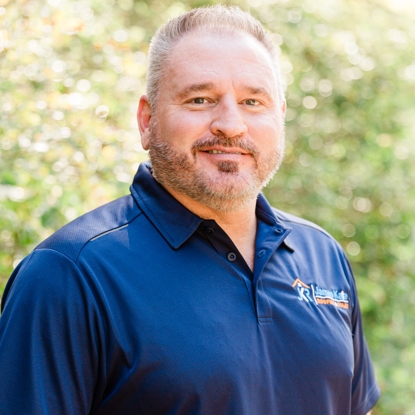
Dustin Eatman is a seasoned roofing professional with deep, hands-on expertise that spans residential and commercial roofing, insurance solar, and long-term roof asset management. As the owner of James Kate Roofing & solar in the Dallas–Fort Worth metroplex, he’s built a reputation for diagnosing roof systems accurately, communicating clearly, and executing projects with a high standard of workmanship and documentation. Dustin understands the technical details that make roofs perform—proper underlayment selection, slope and drainage considerations, ventilation strategy, flashing and penetration detailing, and manufacturer-specific installation requirements—because he’s worked through the real-world challenges that cause leaks, premature wear, and warranty issues. He’s equally fluent in the operational side of roofing: jobsite planning, quality control, safety, material ordering, crew coordination, and customer experience from inspection to closeout. In insurance-related projects, Dustin brings practical knowledge of claim workflows, adjuster meetings, scope alignment, supplements, and the importance of photo evidence and thorough records, helping property owners navigate stressful situations with confidence. For commercial clients—especially property and facility managers—he emphasizes proactive maintenance and targeted repairs that reduce disruption, extend roof life, and prevent expensive interior damage. Dustin also stays focused on doing things the right way: educating customers on realistic options, setting expectations, and prioritizing solutions that hold up over time rather than quick fixes. That blend of technical skill, field experience, process discipline, and owner-level accountability is what makes Dustin Eatman a trusted expert in the roofing industry.