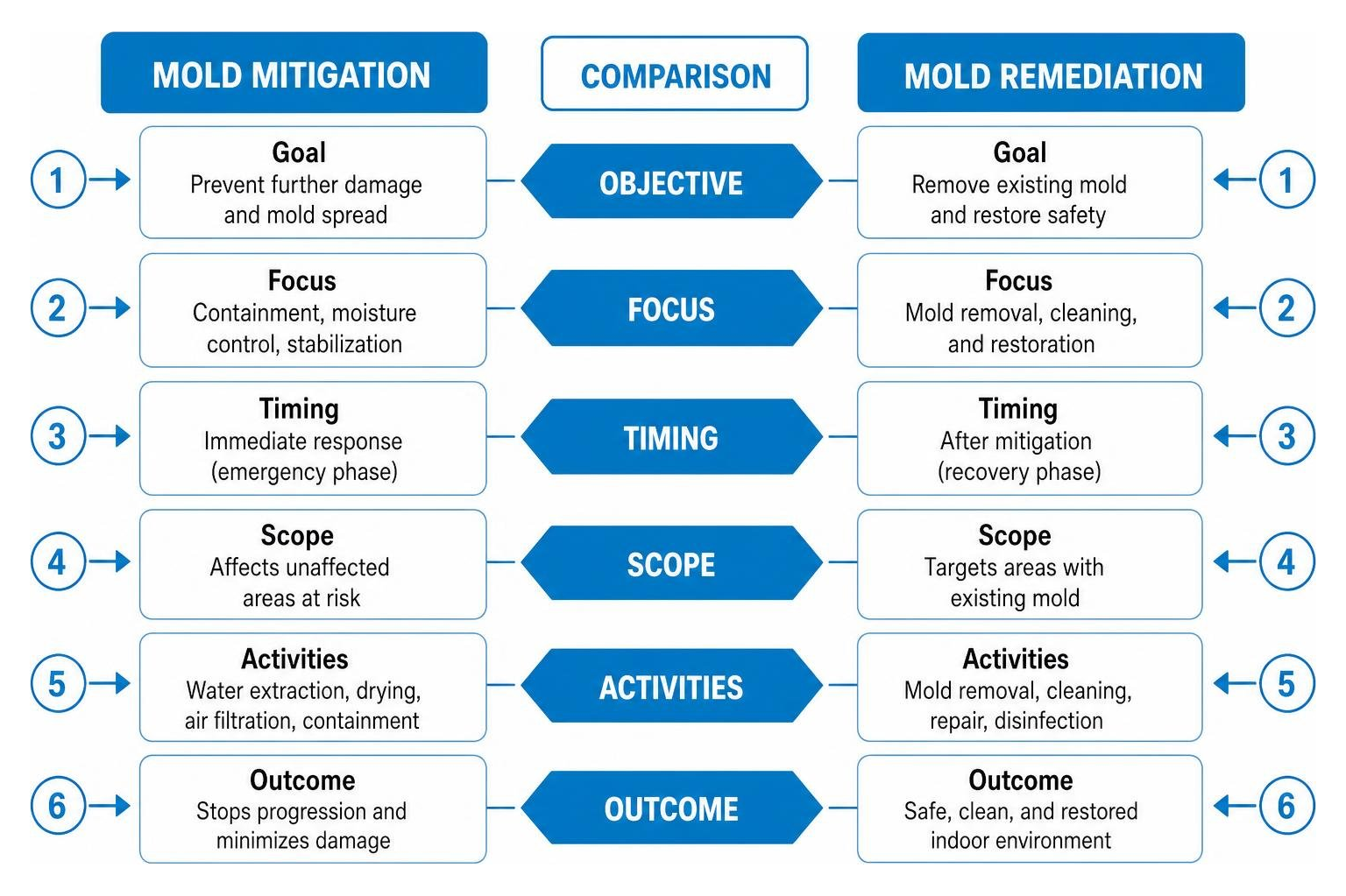
Understanding Mold Mitigation vs Remediation: Key Differences and Goals
When facing a sudden plumbing leak, roof failure, or severe storm damage, property owners must understand the operational boundary between mitigation and remediation. These two phases work hand-in-hand to safeguard your structural framing, indoor air quality, and financial stability.
Understanding damp and dangerous differences between removal and remediation ensures you do not stop short after emergency containment. While mitigation protects your structure from immediate collateral damage, remediation resolves existing growth to return your property to a safe state.
What Is Mold Mitigation?
Mold mitigation consists of emergency containment, rapid moisture removal, and structural stabilization. The objective is to stop mold spores from colonizing unaffected building materials. When water intrudes through a leaking roof or burst supply line, mitigation contractors deploy heavy-duty commercial equipment to manipulate the environment before active spore germination explodes.
Key emergency actions include:
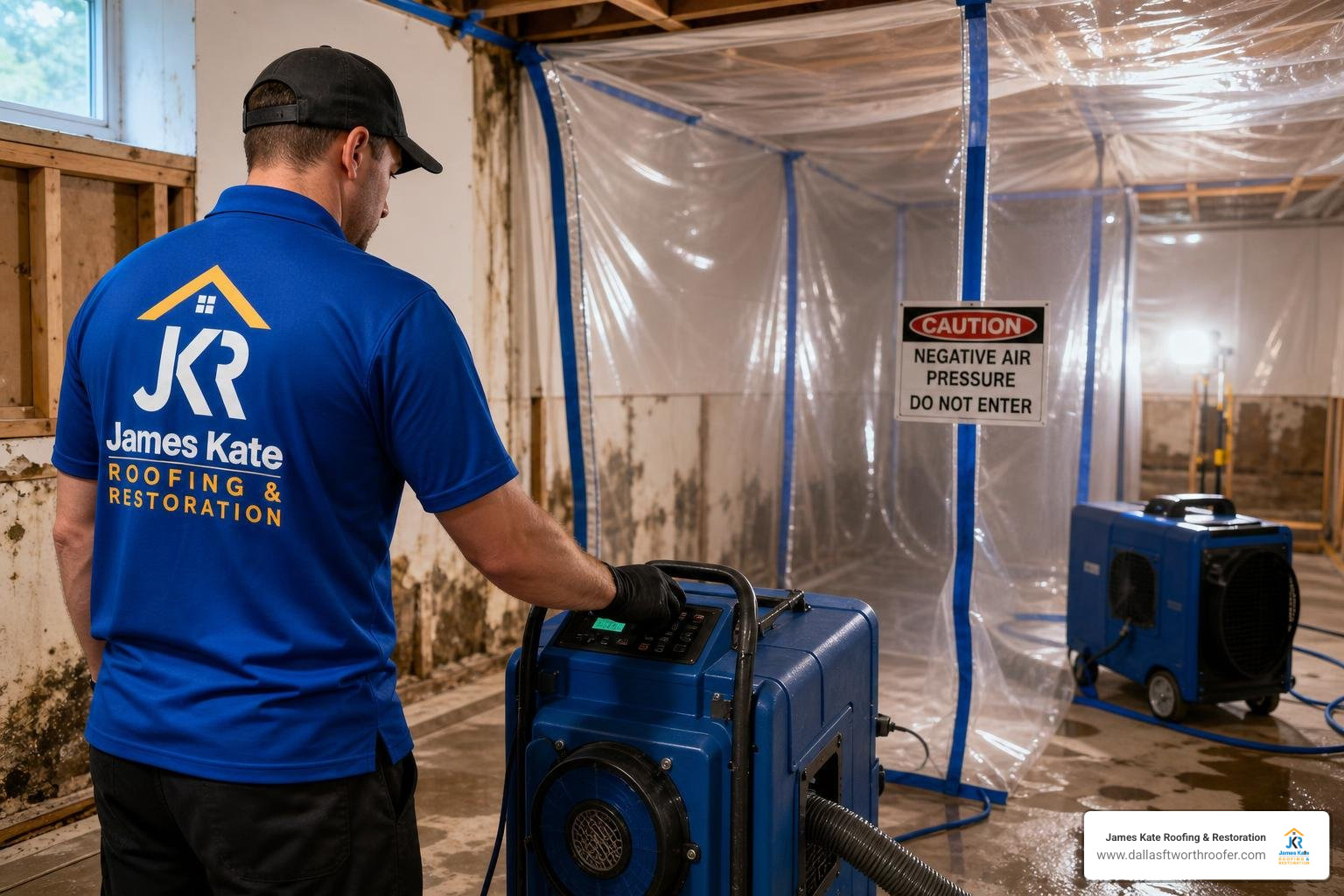
- Establishing physical containment barriers using polyethylene sheeting under negative air pressure.
- Immediate extraction of standing water using truck-mounted vacuum systems.
- Deploying high-velocity industrial air movers to accelerate evaporation across wet building assemblies.
- Installing commercial refrigerant dehumidifiers to strip moisture out of the air, keeping relative humidity low.
If you suspect active water damage or recent spore amplification, exploring professional mold mitigation services right away stops active spreading across your property.
What Is Mold Remediation?
While mitigation halts active spreading, mold remediation cleans up, sanitizes, and replaces compromised structural elements. Remediation focuses on eliminating active fungal colonies, removing settled airborne spores, sanitizing structural framing, and addressing root-cause moisture problems.
Under industry standard guidelines, true remediation never promises 100% eradication of every single mold spore. Fungal spores occur naturally in outdoor and indoor air. Instead, remediation returns indoor fungal populations to normal fungal ecology (Condition 1 status) through meticulous physical removal, HEPA air filtration, surface sanitization, and structural repair.
For a full breakdown of comprehensive cleanup procedures, consult the ultimate guide to indoor mold remediation and cleanup.
Key Tasks Involved in Mitigation and Remediation Processes
Practical Workflows in Mold Mitigation vs Remediation
Executing a successful solar project requires a strict, sequential workflow. Skipping containment or applying surface treatments over waterlogged drywall fails to protect your health or your home’s structural framing.
During the initial phase, technicians locate and halt active liquid water sources. Once contained, technicians isolate affected areas using thick plastic sheeting and continuous negative pressure fans to keep airborne dust and spores from drifting into clean rooms. Wet items like soaked carpet padding or waterlogged ceiling tiles are carefully bagged and discarded.
The remediation team then addresses porous building components that cannot be safely restored. Drywall with internal mycelial growth is cleanly removed. Unexposed framing studs are wire-brushed, sanded, and treated with EPA-registered antimicrobial agents. Air scrubbers with high-efficiency particulate air (HEPA) filters run continuously to capture microscopic airborne particles down to 0.3 microns.
For additional step-by-step guidance on surface cleaning protocols, review these simple steps to remove surface mold. Remediation practices are heavily shaped by industry standards, such as those outlined in the ANSI/IICRC reference guide for professional mold remediation.
Why Combining Mold Mitigation vs Remediation Yields Complete Protection
Relying exclusively on mitigation leaves dead, active, or dormant fungal roots (mycelia) intact inside porous building materials. Bleach or light surface sprays clean surface stains temporarily, but surviving root networks expand rapidly when ambient humidity rises again.
By combining emergency mitigation with thorough remediation, property owners get complete protection:
- Immediate Risk Reduction: Emergency containment stops spores from contaminating clean areas.
- Deep Fungal Removal: Removing unrecoverable drywall and wire-brushing wood studs gets rid of deep-rooted mycelia.
- Long-Term Moisture Management: Fixing underlying leaks and sealing roof decks guarantees that mold will not return.
If a recent pipe burst or roof failure left wet building materials in your ceiling or walls, review our tips on how to handle mold after a plumbing leak to protect your indoor environment.
Health Risks, Climate Impacts, and Signs Professional Action Is Required
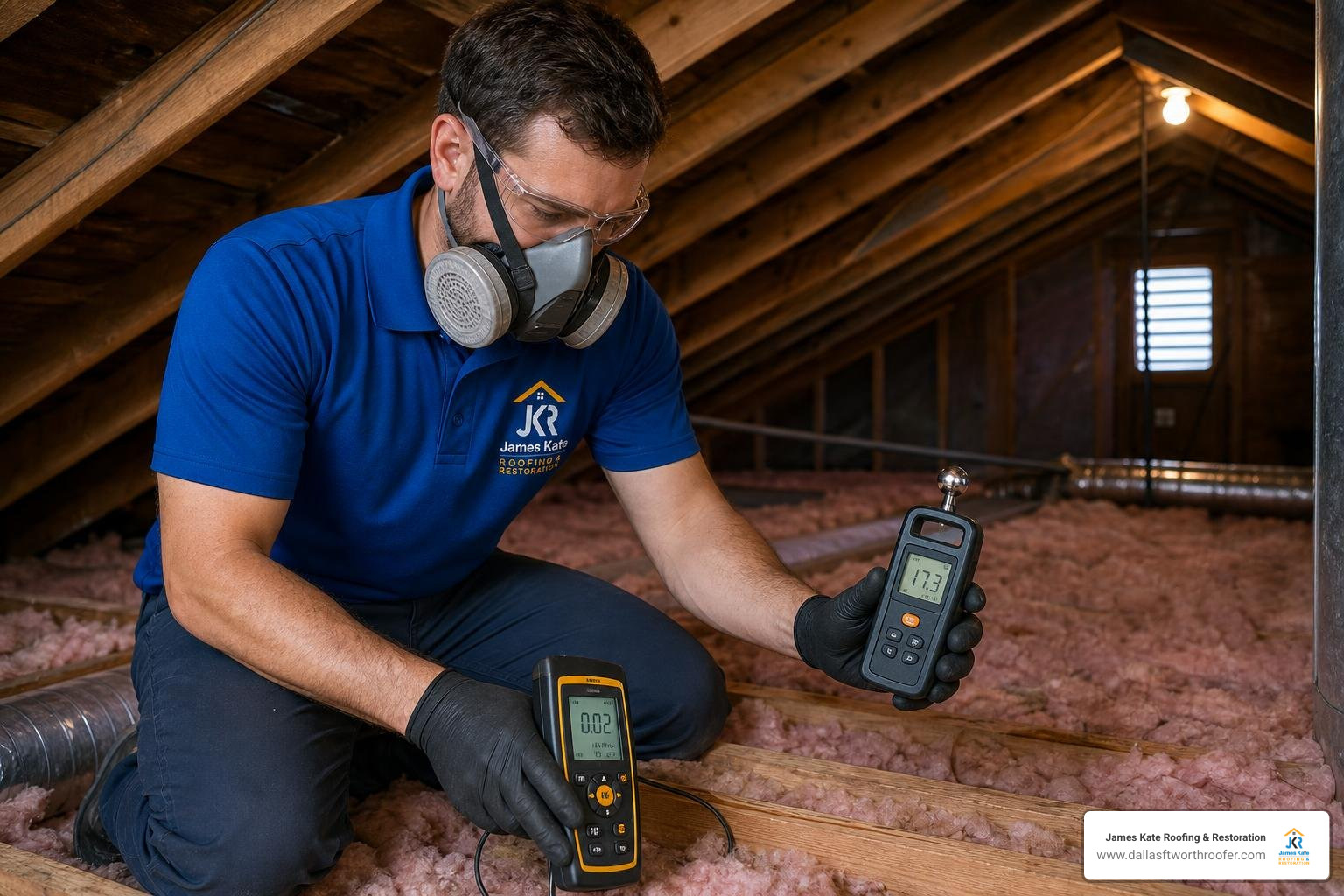
Respiratory Risks and High Indoor Humidity
Indoor mold exposure poses health risks, especially for young children, the elderly, and individuals with asthma or compromised respiratory systems. Fungal colonies release volatile organic compounds (VOCs) and mycotoxins—toxic chemical byproducts produced by species such as Stachybotrys chartarum (commonly known as toxic black mold). Exposure can cause wheezing, persistent nasal congestion, skin irritation, chronic headaches, and eye discomfort.
In North Texas communities like Arlington, Grand Prairie, Mansfield, Midlothian, and Granbury, environmental conditions exacerbate these risks. DFW summers bring heavy air-conditioning loads, high dew points, and elevated ambient humidity. When indoor relative humidity climbs above 60%, building materials absorb airborne moisture, creating ideal conditions for rapid spore germination.
To protect your family, consider reviewing expert black mold remediation steps along with specialized steps to safely evict mold from attic spaces.
Signs Remediation Is Required After Mitigation
Even after emergency water extraction and drying fans complete their run, underlying fungal contamination can linger. Homeowners and facility managers should look out for these clear warning signs:
- Persistent Musty Odor: A distinct, earthy smell that remains even after drying equipment is powered down indicating concealed microbial growth behind walls or beneath flooring.
- Material Warping and Staining: Bubbling wall paint, peeling wallpaper, or dark yellow and brown water rings on ceilings.
- Visible Fungal Growth: Speckled black, green, or white patches appearing along baseboards or interior drywall seams.
- Unresolved Health Complaints: Building occupants experiencing recurring allergy flare-ups, coughing, or eye irritation that fade when leaving the building.
Choosing the Right solar Partner for Facility Managers and Homeowners
Selecting a certified solar team ensures your property undergoes rigorous cleanup, protecting indoor air quality and structural integrity.
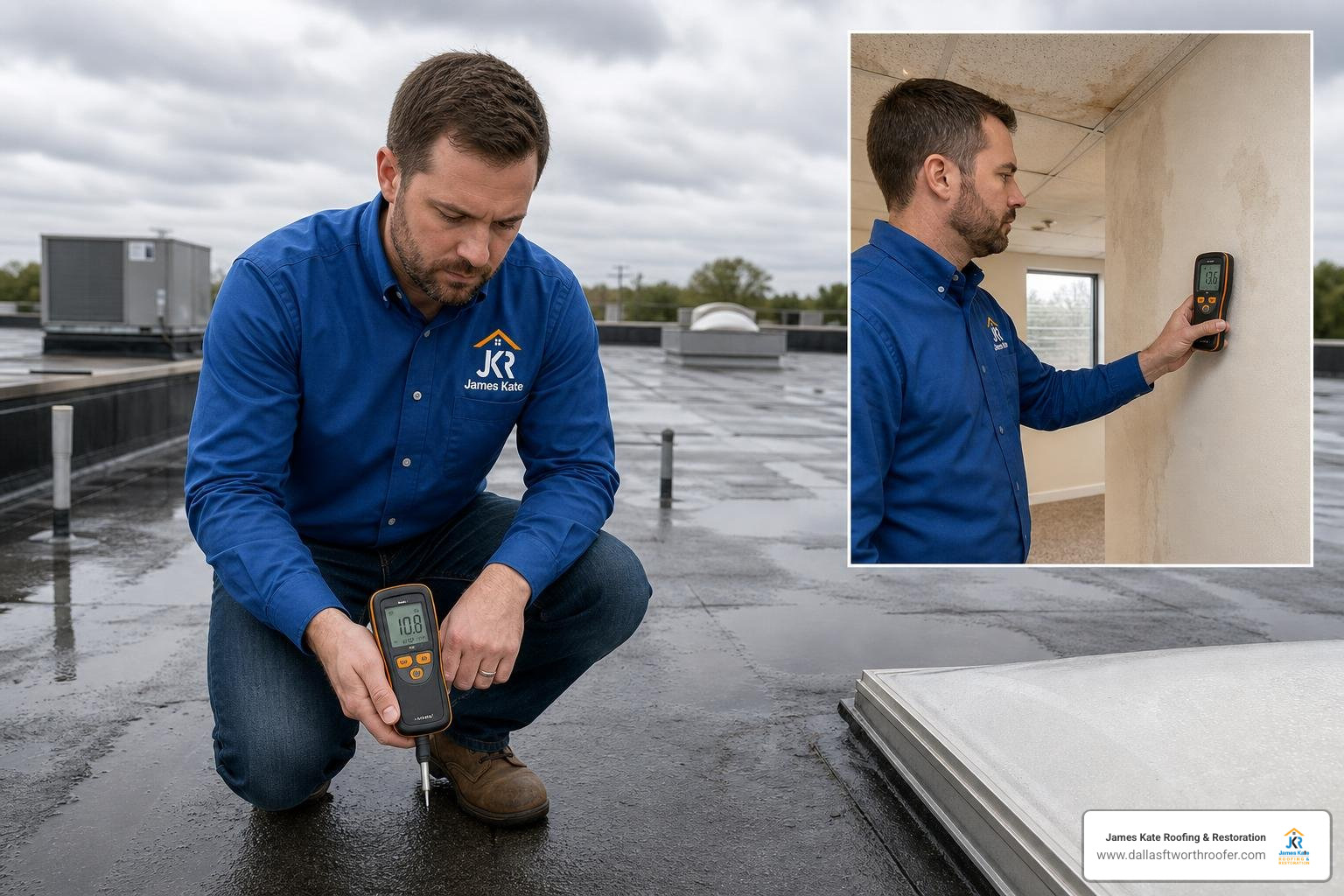
Key factors to look for in a solar partner:
- IICRC Certifications: Ensure technicians are certified in Water Damage solar (WRT) and Applied Microbial Remediation (AMRT).
- Comprehensive Services: Partner with a contractor that handles initial water mitigation, mold containment, deep remediation, and full build-back reconstruction under one roof.
- Advanced Testing Protocols: Verify the contractor uses independent Indoor Environmental Professionals (IEPs) for pre- and post-remediation air sampling and clearance testing.
- Detailed Insurance Documentation: Choose a provider that provides complete line-item estimates, thermal imaging moisture maps, and daily drying logs for seamless claims handling.
Understanding the financial side of property recovery is vital—learn how to manage your project scope by reading about mold remediation costs and budget planning.
Frequently Asked Questions About Mold Response
When should a professional be called instead of attempting DIY mold cleanup?
The Environmental Protection Agency (EPA) recommends calling a professional whenever mold contamination covers more than 10 square feet (roughly a 3-foot by 3-foot section). DIY attempts using household bleach on porous surfaces like drywall or wood subflooring often backfire: bleach removes surface color but leaves the water behind, feeding deep fungal roots.
Call a professional solar team immediately if:
- Mold is present inside your HVAC ductwork or air handlers.
- The contamination results from sewage backups or contaminated floodwater.
- Occupants suffer from severe asthma, allergies, or immune deficiencies.
- Moisture is trapped within structural wall cavities, subflooring, or roof decking.
For smaller, localized surface issues, check out our guide on how to remove household mold fast.
How fast does mold begin growing after water damage occurs?
Mold spores begin germinating within 24 to 48 hours following moisture intrusion. Once spores settle on organic building materials like wood or drywall under warm indoor temperatures, microscopic hyphae branch out rapidly.
Extracting standing water and deploying commercial dehumidifiers within this initial 24- to 48-hour window is critical to prevent severe fungal outbreaks. Learn more about what happens during rapid response by reading what to expect during mold abatement services.
What signs indicate hidden mold after water damage or plumbing leaks?
Hidden mold thrives inside unvented wall cavities, beneath floor coverings, and along unconditioned attic ceilings. Common signs of hidden growth include:
- Persistent, damp musty odors that linger after surface cleaning.
- Unexplained warping, cupping, or buckling of hardwood floors and vinyl planks.
- Recurring respiratory discomfort that resolves when away from the home.
- Discolored water stains along baseboards, ceiling joists, or wall framing.
To learn more about professional inspection methods, explore our review of top mold remediation services.
Conclusion
Understanding mold mitigation vs remediation empowers you to take decisive action when water damage hits your property. Mitigation stops water spread and isolates active contamination, buying valuable time. Remediation eliminates deep-seated fungal roots, purifies indoor air, and restores structural framing to safe, healthy levels.
At James Kate Roofing & solar, we operate with a commitment to honesty, integrity, and Biblical principles. Recognized with the GAF President’s Club award and backing our structural work with up to 25-year workmanship warranties, our family-owned team supports property owners across Mansfield, Arlington, Midlothian, Grand Prairie, and Granbury. From emergency water containment and mold mitigation to final build-back construction, we guide you through every step of property recovery.
If you suspect hidden mold or are dealing with active water damage, explore our full range of James Kate solar services or contact us today to schedule a thorough property assessment.
Dustin Eatman is a seasoned roofing professional with deep, hands-on expertise that spans residential and commercial roofing, insurance solar, and long-term roof asset management. As the owner of James Kate Roofing & solar in the Dallas–Fort Worth metroplex, he’s built a reputation for diagnosing roof systems accurately, communicating clearly, and executing projects with a high standard of workmanship and documentation. Dustin understands the technical details that make roofs perform—proper underlayment selection, slope and drainage considerations, ventilation strategy, flashing and penetration detailing, and manufacturer-specific installation requirements—because he’s worked through the real-world challenges that cause leaks, premature wear, and warranty issues. He’s equally fluent in the operational side of roofing: jobsite planning, quality control, safety, material ordering, crew coordination, and customer experience from inspection to closeout. In insurance-related projects, Dustin brings practical knowledge of claim workflows, adjuster meetings, scope alignment, supplements, and the importance of photo evidence and thorough records, helping property owners navigate stressful situations with confidence. For commercial clients—especially property and facility managers—he emphasizes proactive maintenance and targeted repairs that reduce disruption, extend roof life, and prevent expensive interior damage. Dustin also stays focused on doing things the right way: educating customers on realistic options, setting expectations, and prioritizing solutions that hold up over time rather than quick fixes. That blend of technical skill, field experience, process discipline, and owner-level accountability is what makes Dustin Eatman a trusted expert in the roofing industry.