Why Finding the Best Roofing Contractor Is Harder Than It Should Be
Finding the best roofing contractor for your home or business is one of the most important — and most stressful — decisions you can make as a property owner.
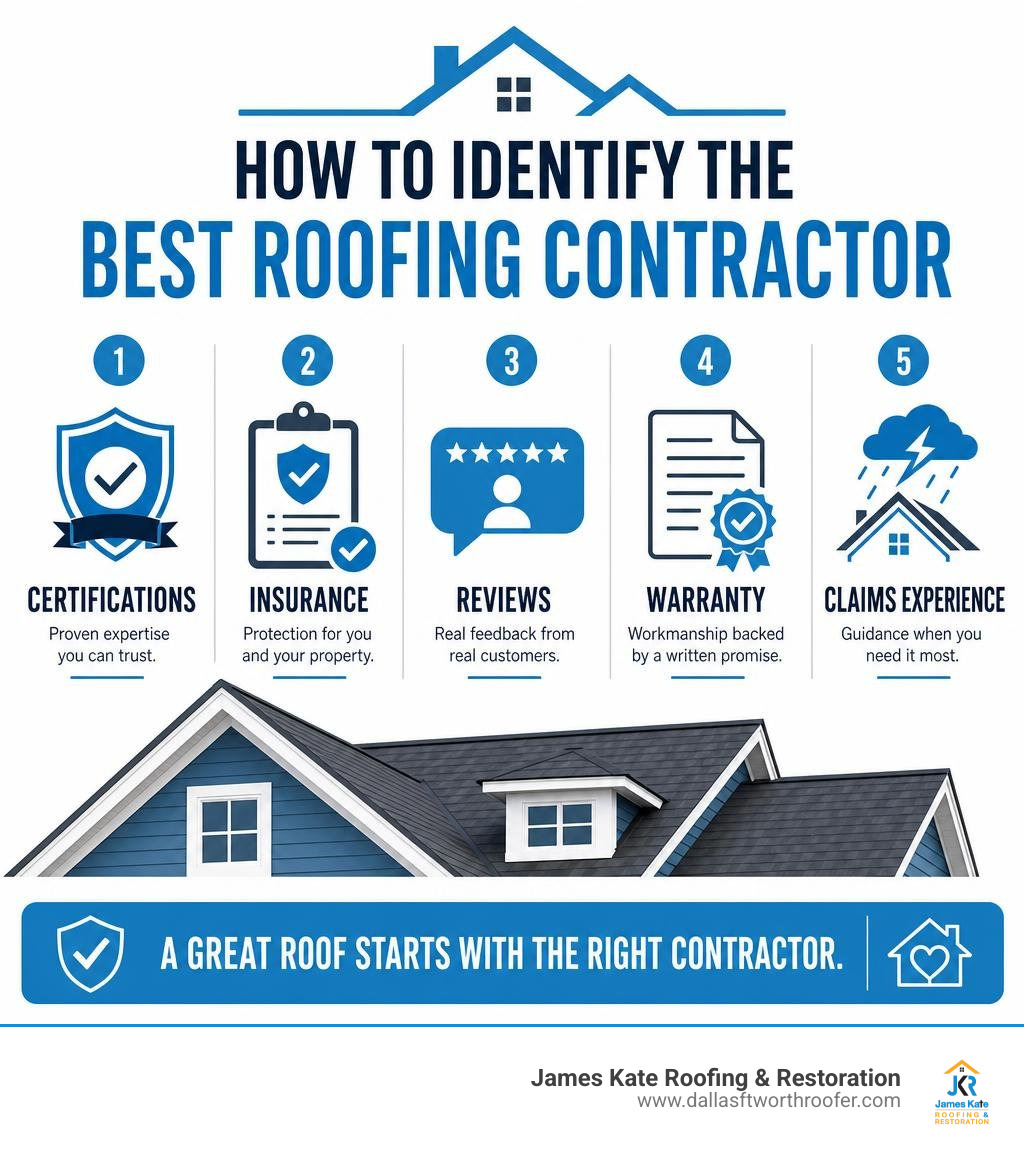
Here’s a quick look at what separates the best from the rest:
| What to Look For | Why It Matters |
|---|---|
| GAF Master Elite or Owens Corning Platinum certification | Only 1–3% of contractors qualify; unlocks the strongest warranties |
| Valid general liability + workers’ comp insurance | Protects you if something goes wrong on your property |
| 4.5+ star rating with 100+ verified reviews | Shows a consistent track record, not just a lucky job |
| Written, line-item estimate | Prevents surprise costs and change orders |
| Storm damage and insurance claim experience | Ensures you get a fair payout, not just a fast close |
| Workmanship warranty (10–25 years) | Covers installation errors, not just materials |
Roofing is one of the most complained-about consumer industries — right up there with automotive services and credit lending. That’s a problem, because your roof is your home’s first line of defense. A bad hire doesn’t just cost money. It can mean leaks, mold, structural damage, and a warranty that’s worthless because the work wasn’t done right.
The good news? There are clear, verifiable signals that tell you whether a contractor is trustworthy before you sign anything. This guide walks you through all of them.
I’m Dustin Eatman, owner of James Kate Roofing & solar in the Dallas–Fort Worth metroplex, and I’ve spent my career helping homeowners and business owners find the best roofing contractor for their specific situation — whether that’s a simple repair, a full replacement, or a complex storm solar. From inspecting thousands of roofs to navigating insurance claims and leading crews through demanding installations, I’ve seen what separates great contractors from the ones you’ll regret hiring.
Key terms for Best roofing contractor:
What Defines the Best Roofing Contractor?
When you begin searching for a professional to handle your home’s most critical structural barrier, you will quickly find that the market is crowded. In North Texas cities like Arlington, Mansfield, and Grand Prairie, storm chasers frequently flood neighborhoods after a major hailstorm. They knock on doors, promise “free roofs,” and pressure you to sign contracts on the spot.
To protect your home and your wallet, you must know how to look past slick sales pitches and evaluate a company based on objective, professional criteria. When identifying top rated roofing contractors, we must look at credentials, business practices, and their localized track record.
Elite Manufacturer Certifications of a Best Roofing Contractor
One of the quickest ways to separate amateur roofers from elite professionals is by checking their manufacturer certifications. Major roofing material manufacturers do not hand out their top-tier designations to just anyone.
- GAF Master Elite: This is GAF’s highest honor, achieved by only 2% of roofing contractors nationwide. To earn this, a contractor must be fully licensed in their state, carry adequate insurance, have a proven reputation in their community, and commit to ongoing professional training.
- Owens Corning Platinum Preferred / Preferred Contractor: Granted to roughly 1% to 3% of contractors in any given region. This designation indicates a high volume of quality installations and strict financial stability.
- CertainTeed ShingleMaster / 5-Star Contractor: Another selective industry credential indicating that the installation teams are factory-trained and tested on the manufacturer’s strict installation guidelines.
Why do these certifications matter to you as a homeowner?
First, they ensure that the crew installing your shingles actually knows what they are doing. If shingles are installed incorrectly — even by an inch — the manufacturer can void your material warranty.
Second, only certified contractors can offer enhanced, extended manufacturer warranties. For example, a GAF Master Elite contractor can provide you with a Golden Pledge Limited Warranty, which offers up to 50 years of non-prorated material coverage and covers the contractor’s workmanship. If the contractor goes out of business, the manufacturer still stands behind the installation.
Verifying Licensing, Insurance, and Local Reputation
Before you let any crew climb onto your roof, you must verify that they are legally authorized and fully protected to do the work.
- General Liability Insurance: A reputable contractor should carry at least $1 million to $2 million in general liability insurance. This protects your home and property if a tree limb falls on your HVAC unit or a stray nail punctures a water line during construction.
- Workers’ Compensation: Roofing is dangerous work. If a worker slips and falls on your property, and the contractor does not carry workers’ compensation, you could be held liable for their medical bills. Always ask for a current certificate of insurance (COI) sent directly from the contractor’s insurance agency.
- Local Licensing: While Texas does not require a state-level license for roofing contractors, elite local contractors hold voluntary licensing through the Roofing Contractors Association of Texas (RCAT) or maintain municipal licenses in cities like Arlington, Mansfield, and Grand Prairie.
- Local Reputation: Check third-party consumer advocacy sites. Look for BBB Accredited Roofing Contractors near Grand Prairie, TX and read their ratings. Look for companies with consistent, long-term feedback. A 4.9-star rating with over 200 reviews is far more reliable than a perfect 5.0 rating based on only five reviews.
Taking the time to research these factors is a vital step in choosing the best professional roofing company for your property.
Evaluating Your Roof: Inspection, Materials, and Climate
Your roof is a complex system of shingles, underlayment, decking, flashing, and ventilation. To keep it performing at its best, a contractor must understand how all of these components interact, especially under the unique environmental pressures of North Texas.

What to Expect During a Professional Roof Inspection
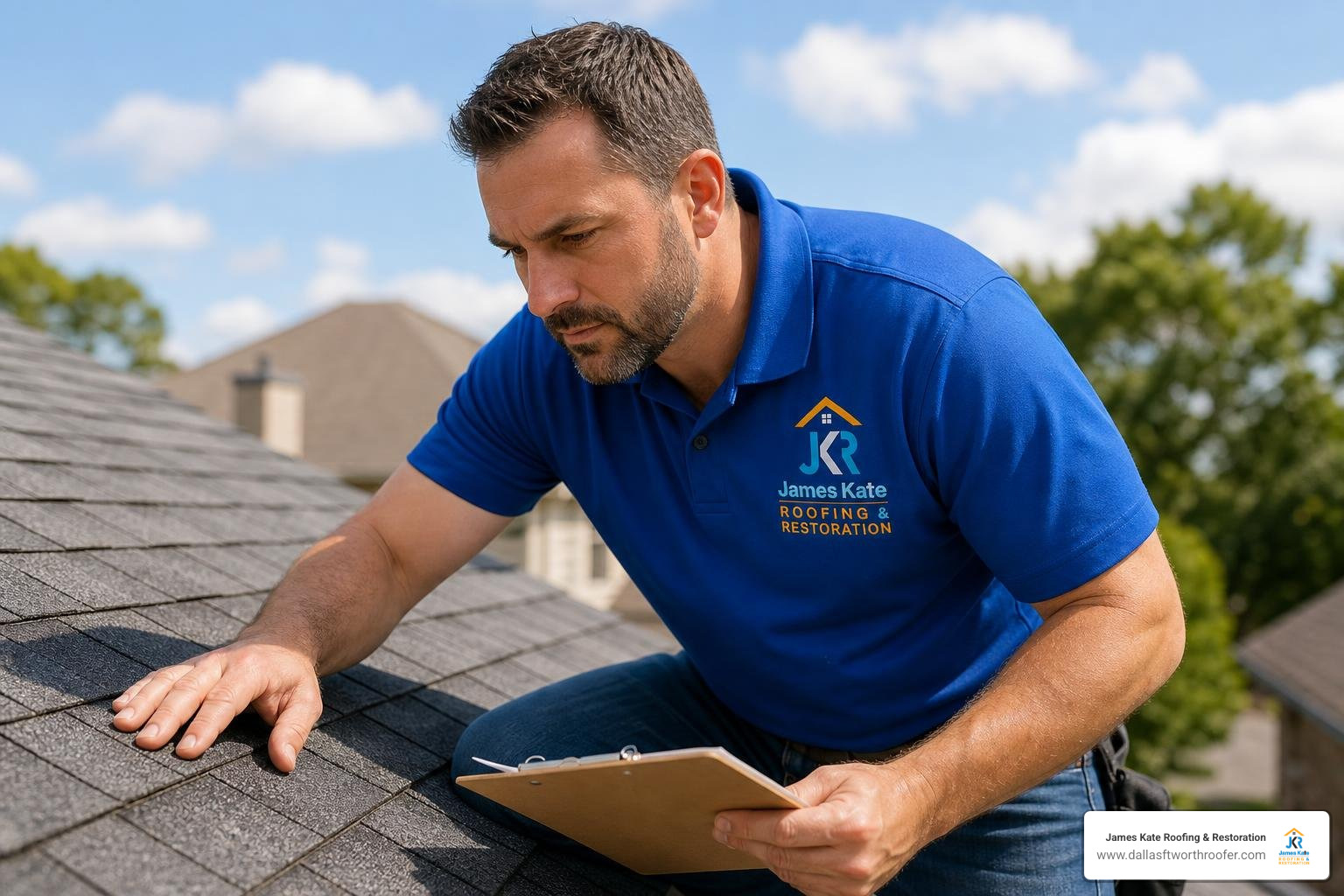
A true professional roof inspection is not a five-minute glance from your driveway. When we perform an inspection, we conduct an obsessively detailed, multi-point assessment. Here is what a comprehensive inspection should entail:
- 360-Degree Exterior Walk-Around: We inspect the exterior of your home, looking for signs of roof problems that manifest lower down, such as warped siding, damaged fascia boards, and gutter separation.
- On-Roof Physical Assessment: We climb onto the roof to inspect the shingles, valleys, and penetrations. We look for granule loss, cracked or missing shingles, and damaged pipe boots.
- Attic Ventilation and Structure Check: We go inside your attic to inspect the underside of the roof decking, rafters, and utility lines. We check for water stains, mold, structural sagging, and verify that your intake and exhaust ventilation systems are balanced.
- Photo-Documented Health Report: You should never have to take a contractor’s word for what is happening on your roof. We use tools like CompanyCam to provide you with a live link containing clear, timestamped photographs and videos of every issue we find. This transparent “Roof Health Report” allows you to see the exact condition of your roof with your own eyes.
If you are looking for a trustworthy assessment, it pays to focus on finding the top rated roofers in your neighborhood who prioritize photo-documentation over high-pressure sales tactics.
Choosing the Right Materials for Your Local Climate
The I-35 corridor through North Texas is one of the most active hail belts in the United States. Additionally, our summers routinely push past 100°F, causing extreme thermal expansion that accelerates shingle aging. Selecting the right materials is crucial for long-term protection.
- Architectural Asphalt Shingles: These are the most common residential roofing materials. They offer excellent wind resistance and a classic look. For our climate, we highly recommend upgrading to Class 4 impact-resistant shingles. These shingles are engineered with SBS-modified asphalt (rubberized polymers) that allow them to withstand hail impacts without cracking.
- Standing-Seam Metal: A standing-seam metal roof made from 24-gauge Galvalume with concealed fasteners is incredibly durable. It reflects solar radiant heat, keeping your home cooler in the summer, and can easily last 50 years or more.
- Clay and Concrete Tile: Popular in Mediterranean and Spanish-style homes in areas like Mansfield and Arlington. Tile is fireproof and highly durable, though it requires a reinforced roof structure to support the immense weight.
Signs You Need a Roof Repair vs. Full Replacement
How do you know when it is time to call a contractor for roof repair versus planning for a complete replacement? We look at several technical indicators:
- Age of the Roof: Most asphalt shingle roofs have a natural lifespan of 20 to 30 years. If your roof is approaching its 25th year, even minor leaks usually indicate that the underlying underlayment is failing, and a replacement is more cost-effective than continuous repairs.
- Granule Loss: Shingles have a coating of ceramic granules that protect the underlying asphalt from UV rays. If you see piles of granules in your gutters, your shingles are reaching the end of their life.
- Brittleness and Repairability Tests: When we inspect a damaged roof, we perform a bend test on the surrounding shingles. If the shingle cracks or breaks when lifted slightly, it is too brittle to seal properly after a repair, meaning a replacement is necessary.
- Active Leaks and Sagging: Water stains on your ceiling or sagging rooflines indicate structural water damage. While a single localized leak can often be repaired, widespread water penetration or sagging decking requires immediate replacement.
Navigating Costs, Warranties, and Insurance Claims
A roof replacement is a significant investment. Understanding the financial landscape, warranty options, and how to navigate insurance claims will help you make a confident, stress-free decision.
Understanding Roofing Costs and Financing Options
The cost of a new roof varies widely based on the size of your home, the pitch (steepness) of your roof, and the materials you select.
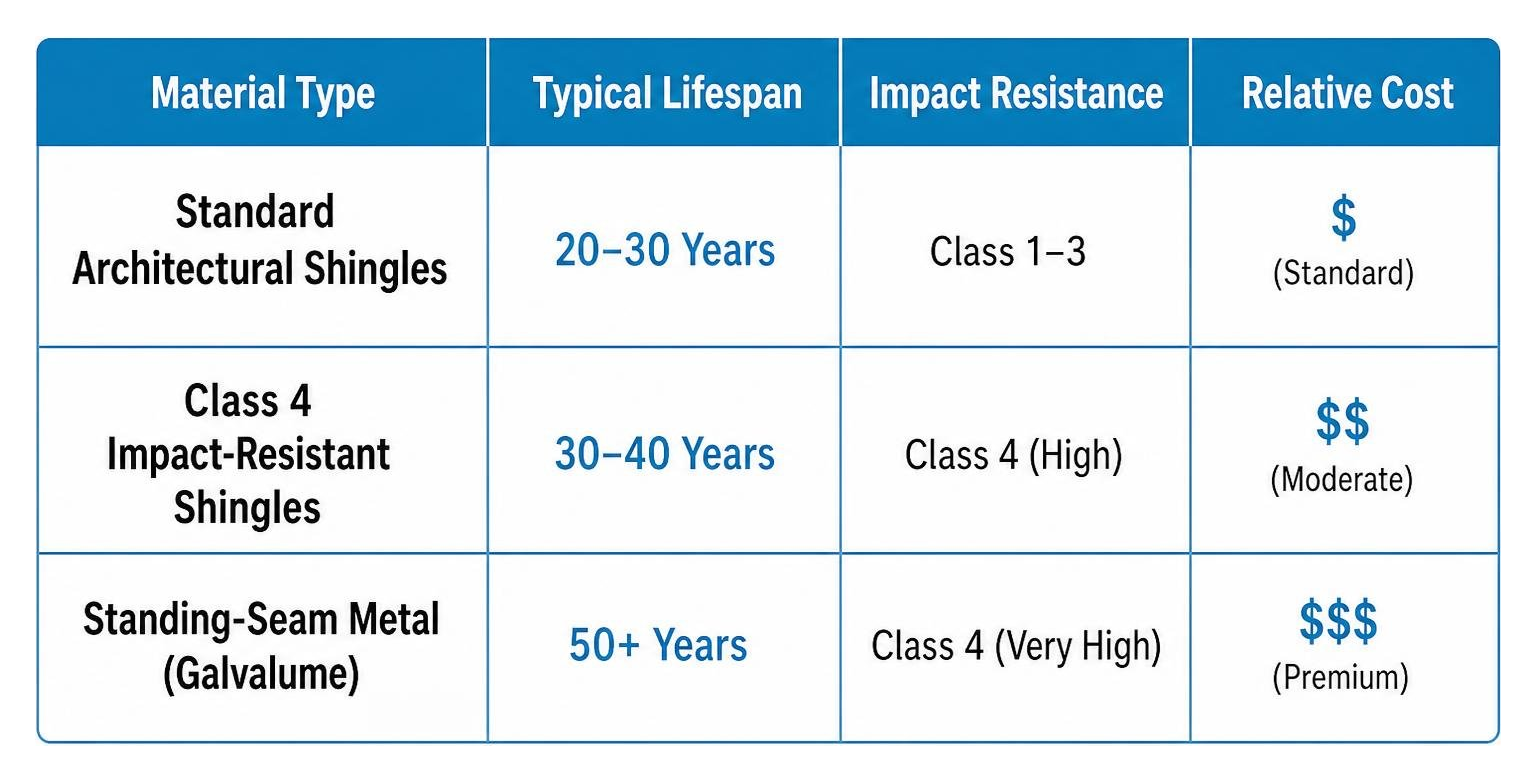
| Material Type | Typical Lifespan | Impact Resistance | Relative Cost |
|---|---|---|---|
| Standard Architectural Shingles | 20–30 Years | Class 1–3 | $ (Standard) |
| Class 4 Impact-Resistant Shingles | 30–40 Years | Class 4 (High) | $$ (Moderate) |
| Standing-Seam Metal (Galvalume) | 50+ Years | Class 4 (Very High) | $$$ (Premium) |
| Clay / Concrete Tile | 50–100 Years | Class 4 (Very High) | $$$$ (Ultra-Premium) |
To make this vital investment manageable, the best roofing contractor will offer flexible financing options, including low monthly payment plans or short-term interest-free financing, allowing you to protect your home without draining your savings. Understanding these financial structures is a core part of roofing company selection 101.
How a Best Roofing Contractor Handles Storm Damage and Insurance
If your roof was damaged by a severe North Texas hailstorm, your homeowner’s insurance policy should cover the cost of solar. However, navigating the claims process can be incredibly frustrating. A premier contractor will act as your advocate throughout this process:
- Xactimate Software: We use Xactimate, the exact same estimating software used by major insurance adjusters. This ensures our line-item estimates are written in the precise language and pricing structures that insurance companies expect, minimizing disputes.
- On-Site Adjuster Meetings: We meet your insurance adjuster at your property during their inspection. We walk the roof together to ensure all storm damage — including collateral damage to gutters, siding, and window screens — is documented accurately.
- Emergency Tarping: If a storm leaves your roof compromised, we provide 24/7 emergency response to tarp your roof, preventing secondary interior water damage before the adjuster arrives.
- Texas Deductible Laws: Under Texas Law (specifically House Bill 2102), it is a class B misdemeanor for a contractor to waive, absorb, or assist a homeowner in avoiding paying their insurance deductible. Any contractor who offers to “save your deductible” is asking you to commit insurance fraud. A reputable contractor will always require you to pay your legal deductible.
Comparing Workmanship and Manufacturer Warranties
When investing in a best roof replacement, you must understand the two distinct types of warranties available:
- Manufacturer Material Warranties: These cover defects in the shingles themselves. Standard material warranties usually last 20 to 50 years, but they are often prorated (meaning they lose value over time) and do not cover the labor to replace the defective shingles.
- Contractor Workmanship Warranties: These cover installation errors. If a shingle blows off because a worker placed a nail too high, that is a workmanship issue. Average roofers offer a 1-to-2-year workmanship warranty.
At James Kate Roofing & solar, we stand behind our craftsmanship with up to a 25-year workmanship warranty. Because we hold elite manufacturer certifications, we can also offer enhanced, non-prorated manufacturer warranties that cover both materials and labor for up to 50 years.
Essential Questions to Ask Before Signing a Contract
Before you sign any contract, sit down with your prospective contractor and ask these critical questions:
- “Do you use subcontractors, and are they fully insured?” Many roofing companies sell you a job and then hire a random crew to install it. Ensure your contractor uses factory-trained, consistent crews and carries full general liability and workers’ comp for everyone on site.
- “How will you protect my property?” A roof tear-off creates thousands of pounds of falling debris. The contractor should use protective tarps, plywood barriers over windows, and protect your landscaping and air conditioning units.
- “Do you perform a magnetic sweep for nails?” After the installation, the crew must run high-powered magnetic sweeps across your lawn, driveway, and flowerbeds to collect stray nails.
- “How do you handle waste disposal?” Ensure the contractor provides their own dump trailer and removes all trash immediately upon project completion.
- “Can you provide a detailed, written, line-item estimate?” Never accept a lump-sum verbal quote. Your written estimate should clearly detail the cost of materials, labor, permits, decking replacement rates, and warranties.
Frequently Asked Questions About Hiring a Roofer
How long does a typical roof replacement take?
Under optimal weather conditions, a standard residential roof replacement in North Texas takes only 1 to 3 days to complete. Extremely large or complex roofs with steep pitches or premium materials like tile may take slightly longer. Our crews work efficiently from sunrise to sunset to minimize the disruption to your daily life, ensuring a thorough post-job cleanup.
Can a roofing contractor waive my insurance deductible?
No. Under Texas House Bill 2102, it is strictly illegal for a roofing contractor to waive, credit, or absorb your insurance deductible. A contractor who offers to do so is participating in insurance fraud, which can invalidate your policy and lead to criminal charges for both the contractor and the homeowner. Always run from any roofer who promises a “free roof” by hiding your deductible.
What additional exterior services can be bundled with a roof replacement?
When replacing your roof, it is highly beneficial to bundle other exterior services. We commonly install seamless aluminum gutters and gutter guards, replace aging siding, and install energy-efficient windows. Bundling these services ensures your home’s water-management system works as a cohesive unit and saves you money on labor and staging costs.
Conclusion: Partner with DFW’s Trusted Roofing & solar Experts
Your roof is too important to trust to a storm chaser or an uncertified contractor. When you need the absolute best roofing contractor in the Dallas–Fort Worth metroplex, look no further than James Kate Roofing & solar.
We are a family-owned DFW company built on honesty, integrity, and Biblical principles. We serve homeowners and business owners across:
- Mansfield, TX
- Arlington, TX
- Granbury, TX
- Grand Prairie, TX
- Midlothian, TX
As a GAF President’s Club award winner, we represent the absolute pinnacle of roofing craftsmanship, allowing us to back our work with an industry-leading 25-year workmanship warranty.
Furthermore, we are a full-service solar company. If your home has suffered from severe storm damage, an attic fire, or a plumbing leak, we handle the entire process under one roof:
- Water Mitigation to dry out your structure fast.
- Fire Mitigation to remediate smoke and soot.
- Mold Mitigation to keep your family safe and healthy.
- Build-Back Construction to restore your home to pristine condition.
Don’t settle for less when protecting your family’s greatest investment. Schedule a consultation with the premier DFW roofing experts at James Kate Roofing & solar today. We will provide you with a transparent, photo-documented Roof Health Report and the honest, step-by-step guidance you deserve.
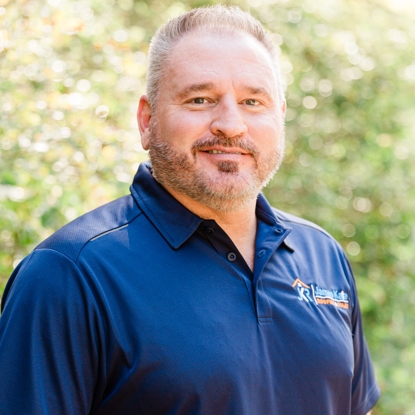
Dustin Eatman is a seasoned roofing professional with deep, hands-on expertise that spans residential and commercial roofing, insurance solar, and long-term roof asset management. As the owner of James Kate Roofing & solar in the Dallas–Fort Worth metroplex, he’s built a reputation for diagnosing roof systems accurately, communicating clearly, and executing projects with a high standard of workmanship and documentation. Dustin understands the technical details that make roofs perform—proper underlayment selection, slope and drainage considerations, ventilation strategy, flashing and penetration detailing, and manufacturer-specific installation requirements—because he’s worked through the real-world challenges that cause leaks, premature wear, and warranty issues. He’s equally fluent in the operational side of roofing: jobsite planning, quality control, safety, material ordering, crew coordination, and customer experience from inspection to closeout. In insurance-related projects, Dustin brings practical knowledge of claim workflows, adjuster meetings, scope alignment, supplements, and the importance of photo evidence and thorough records, helping property owners navigate stressful situations with confidence. For commercial clients—especially property and facility managers—he emphasizes proactive maintenance and targeted repairs that reduce disruption, extend roof life, and prevent expensive interior damage. Dustin also stays focused on doing things the right way: educating customers on realistic options, setting expectations, and prioritizing solutions that hold up over time rather than quick fixes. That blend of technical skill, field experience, process discipline, and owner-level accountability is what makes Dustin Eatman a trusted expert in the roofing industry.