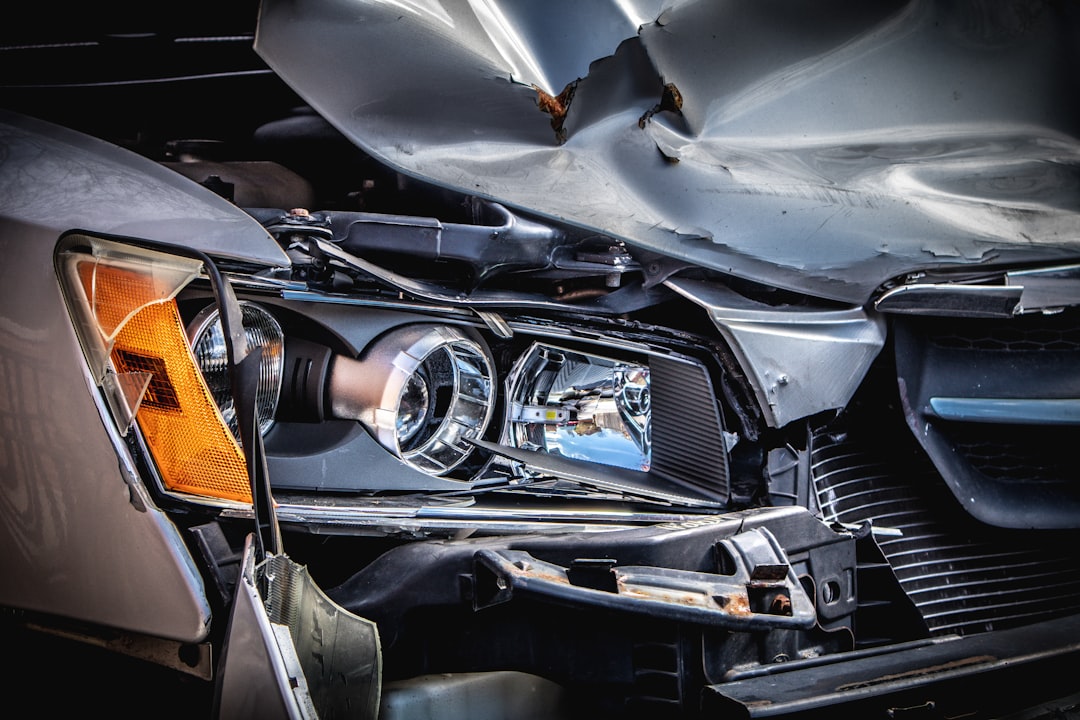
Start Hail Dent Removal With a Clear Damage Check
For most vehicles, the best approach to hail dent removal is to inspect the paint first, then use professional paintless dent repair (PDR) when the paint is intact and the metal is not sharply creased. Avoid trying heat, dry ice, or forceful pulling on deep dents: these methods can damage clear coat or stretch the panel further.
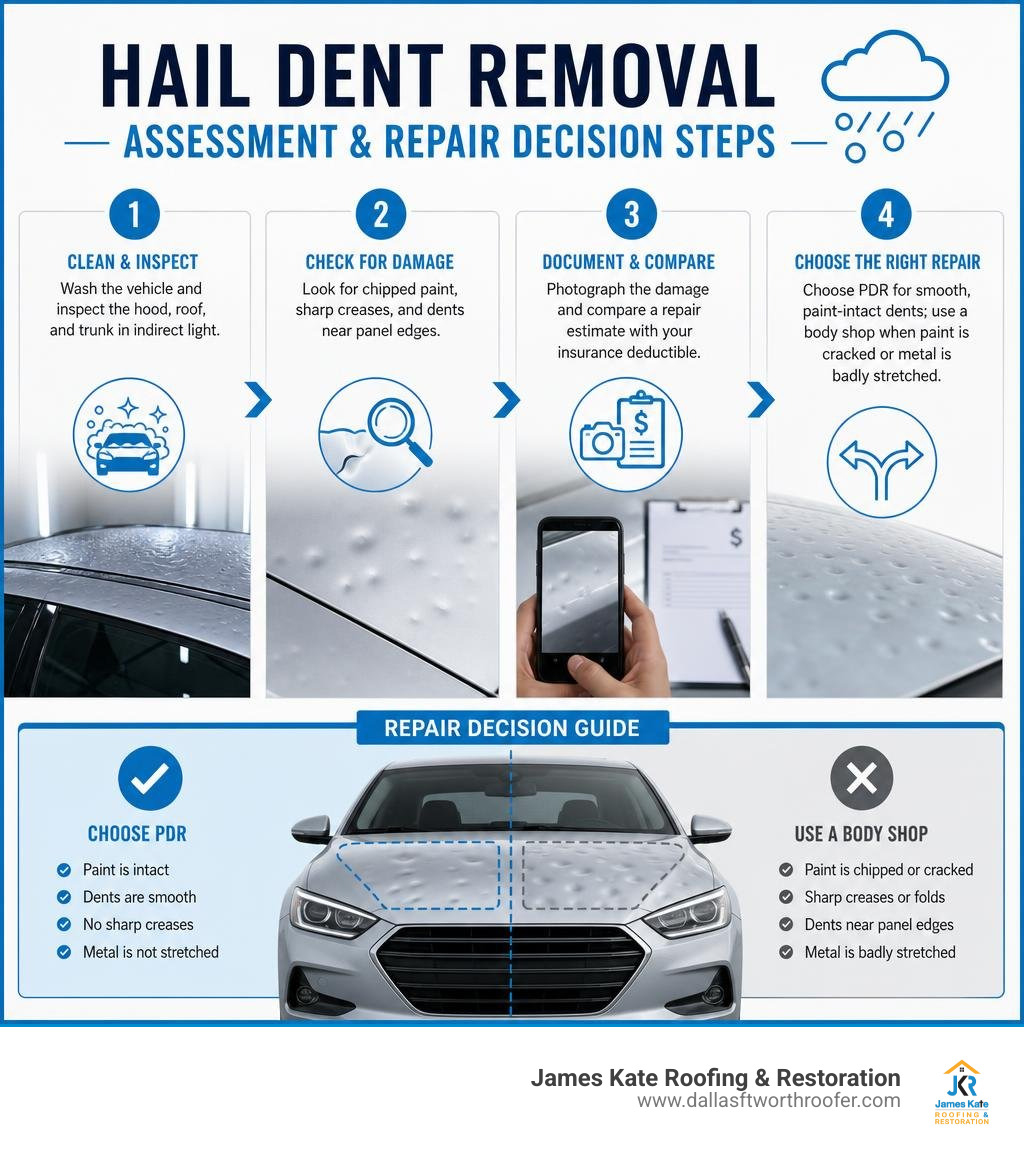
- Wash the vehicle and inspect the hood, roof, and trunk in indirect light.
- Look for chipped paint, sharp creases, and dents near panel edges.
- Photograph the damage and compare a repair estimate with your comprehensive insurance deductible.
- Choose PDR for smooth, paint-intact dents; use a body shop when paint is cracked or metal is badly stretched.
Hail can leave far more damage than is visible at first glance. Because 70% to 80% of impacts often land on horizontal panels, a careful check helps protect both the vehicle’s finish and its resale value.
I am Dustin Eatman, owner of James Kate Roofing & solar in DFW. My work in storm solar and insurance documentation helps property owners understand the full scope of storm damage, including when prompt hail dent removal and clear records can protect a valuable vehicle investment.
Key terms for hail dent removal:
Assessing Vehicle Damage After a Hailstorm
When a severe storm sweeps across North Texas communities like Arlington, Grand Prairie, or Mansfield, vehicles parked outside often take a direct beating. Assessing the full extent of this damage requires a systematic approach. Surface dirt, dust, and rainwater residue easily hide shallow dimples. Before evaluating body panels, wash the entire vehicle thoroughly to reveal subtle indentations that might otherwise blend into the finish.

Natural direct sunlight can actually wash out surface contrast and make small impressions invisible to the naked eye. The best way to map hail impacts is under soft, overcast skies or by using specialized reflective line boards. When positioned across a vehicle panel, these boards project parallel zebra-like lines across the clear coat. Any dent or surface depression will instantly cause those straight lines to bend, wave, or distort, pinpointing every impact zone.
Because hail falls vertically, 70% to 80% of all storm strikes land on top-facing horizontal surfaces: the hood, roof, and trunk lid. Wind-driven hail can also hit quarter panels, doors, and side pillars. A single moderate storm can leave 80 to 200 distinct dents, while severe weather cells regularly pepper vehicles with 300 to over 600 individual impacts. Understanding the scale of damage early is essential because knowing how much hail damage really affects car resale price allows you to make informed repair decisions before rust or finish degradation begins.
Assessing Suitability for Hail Dent Removal
Not all metal deformation is created equal. The physics of auto body solar relies heavily on the elastic limit of sheet metal versus plastic deformation. When hailstones strike a panel, they push the metal downward. If the strike remains within the metal’s elastic threshold, the material retains its internal memory and can be manipulated back into shape. However, if the impact stretches the metal past that limit or tears the clear coat, conventional non-invasive techniques will face significant hurdles.
| Damage Category | Visual Characteristics | Metal & Paint Condition | Recommended Repair Method |
|---|---|---|---|
| Small to Moderate Dent | Round, smooth, shallow dimples (≤40mm) | Factory paint 100% intact; metal unstretched | Paintless Dent Repair (PDR) |
| Large Hail Impact | Wide depressions (40mm–80mm+) | Paint unbroken; slight elasticity retained | Advanced PDR / Glue Pulling |
| Sharp Crease / Edge Dent | Tight lines along body contours or hems | High metal tension; access may be obstructed | Specialized PDR or hybrid bodywork |
| Severe / Fractured Impact | Deep craters, cracked paint, bare steel | Clear coat split; metal stretched past plastic limit | Traditional body filler and respraying |
Preserving the factory paint finish is always the top priority. Factory finishes are cured at high temperatures during manufacturing, providing exceptional durability, corrosion resistance, and exact color match that aftermarket resprays rarely replicate perfectly.
Identifying Inaccessible Panels and Severe Metal Creases
While modern metalworking tools allow technicians to reach tight spaces, certain vehicle zones present unique physical challenges. The underside of roofs, for example, features cross-bracing and side-curtain airbag modules. Doors contain impact bars, window regulators, and sound-dampening foam that can restrict mechanical access.
When hail strikes land directly on sharp body character lines or outer panel edges, the metal is held under higher structural tension. Similarly, double-walled panels or boxed rocker panels prevent technicians from getting specialized pushing tools behind the dent. In these scenarios, technicians must rely on external glue-pulling methods or evaluate whether traditional body shop repairs are required. Furthermore, if an impact produces micro-cracking in the clear coat, water can seep beneath the surface, exposing bare metal to oxidation and requiring paint solar alongside dent reshaping.
Professional Hail Dent Removal: How Paintless Dent Repair Works
Paintless Dent Repair (PDR) is the gold standard for restoring storm-damaged vehicles. Originally developed to eliminate minor assembly dings without compromising original factory paint, PDR has evolved into a precise craft that handles extensive hail catastrophe claims across the automotive industry.
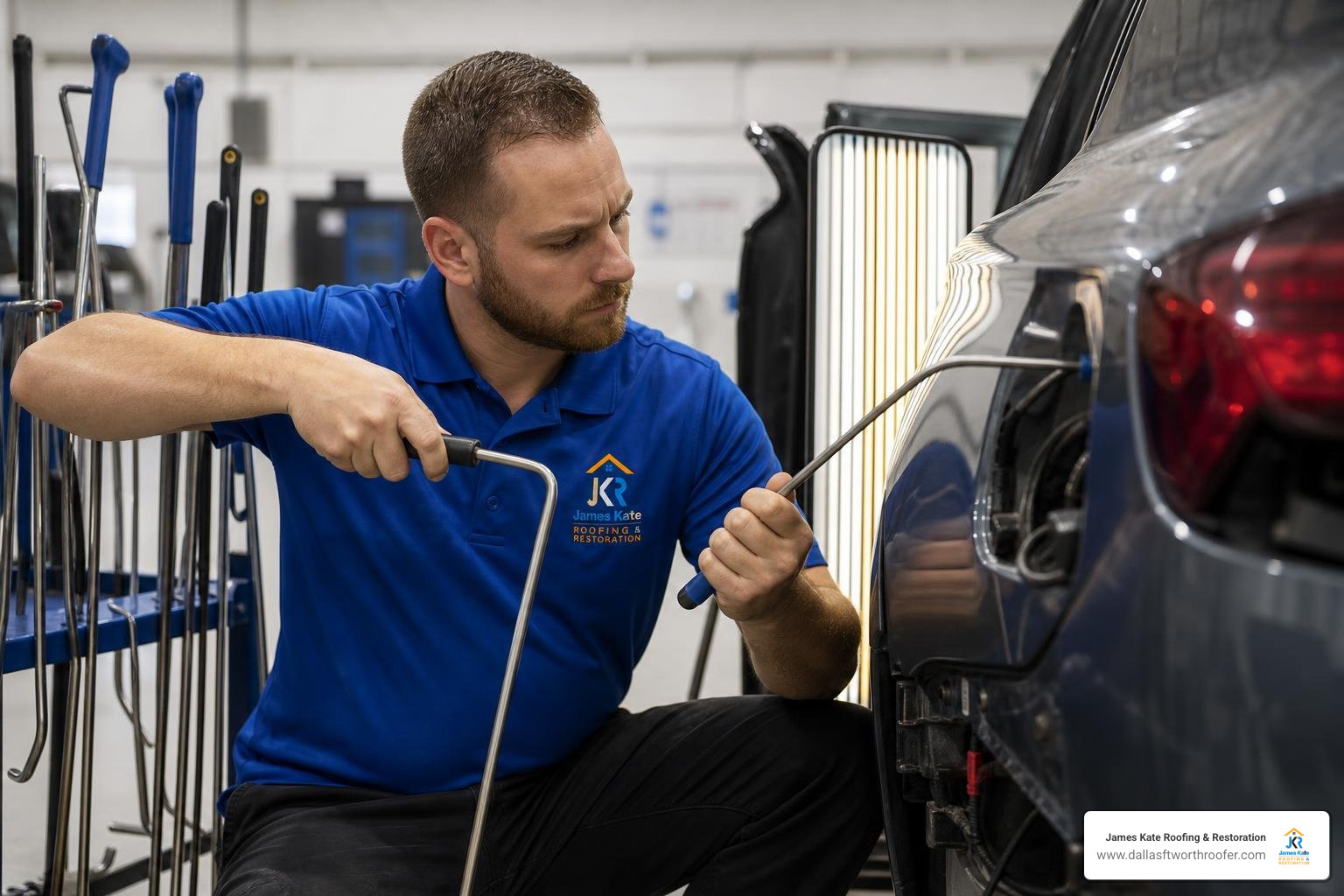
PDR works by leveraging the natural memory of automotive sheet steel and aluminum. Instead of grinding away paint, applying polyester fillers, and respraying panels, a master technician accesses the reverse side of the damaged panel and gently massages the metal back to its original factory contour. When the paint remains intact, this process restores the vehicle completely without leaving behind body filler or paint blend lines.
The Step-by-Step PDR Process
Professional storm solar follows a precise four-stage workflow:
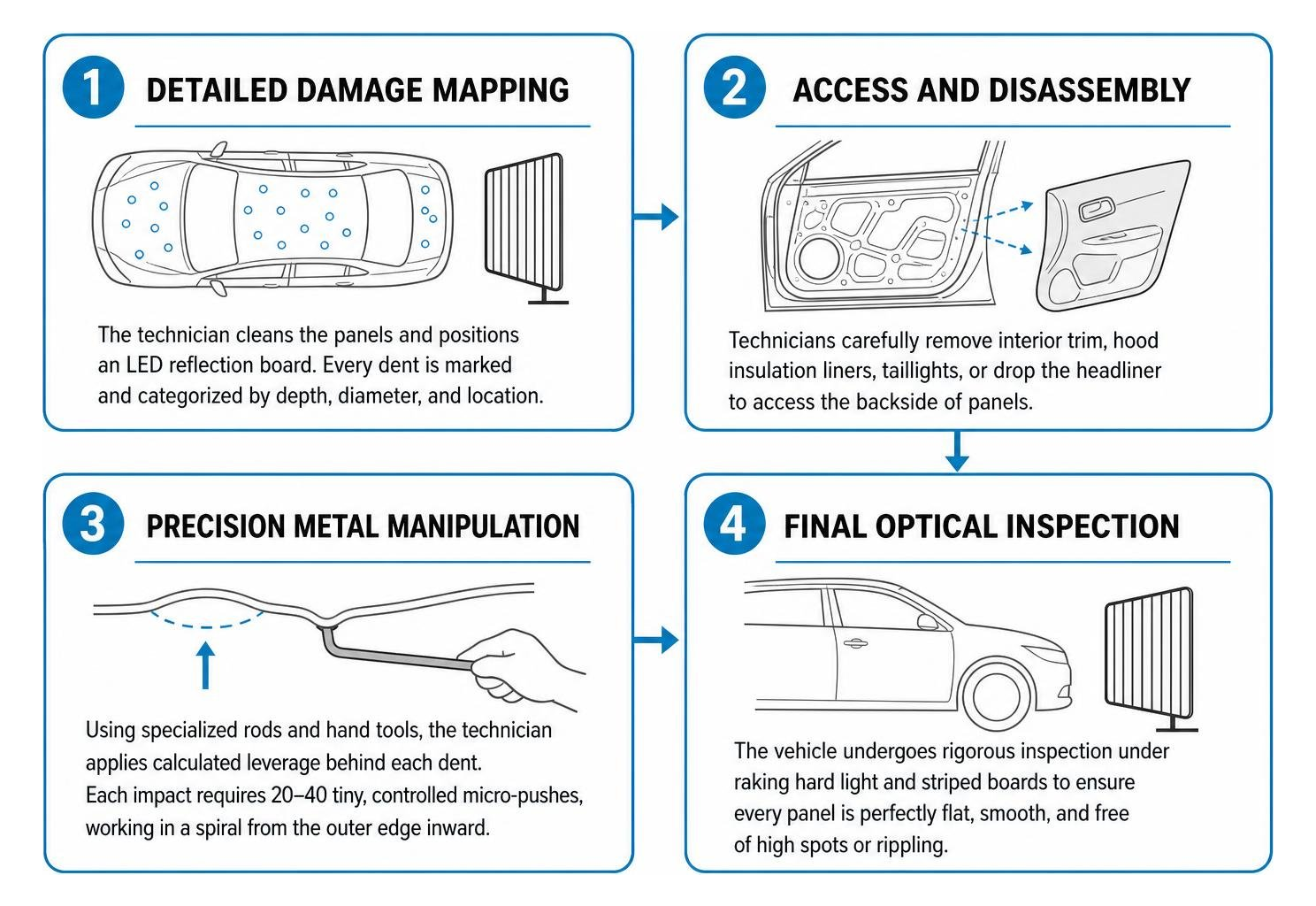
- Detailed Damage Mapping: The technician cleans the panels and positions an LED reflection board across the vehicle. Every dent is marked and categorized based on depth, diameter, and panel location.
- Access and Disassembly: Technicians carefully remove interior trim, hood insulation liners, taillights, or drop the headliner to gain direct access to the backside of the metal panels without causing interior wear.
- Precision Metal Manipulation: Using hardened stainless steel rods, whale tails, and custom hand tools, the technician applies calculated leverage behind each dent. Each individual hail impact requires between 20 and 40 tiny, controlled micro-pushes, working in a spiral from the outer perimeter inward to relieve surface tension.
- Final Optical Inspection: The vehicle undergoes rigorous inspection under raking hard light and striped boards to ensure every panel reflection is perfectly flat, smooth, and free of high spots or rippling.
Traditional Body Shop Repair vs. PDR
When comparing traditional collision repair to PDR, the differences in cost, time, and long-term asset value are substantial:
- Factory Paint Preservation: PDR keeps the original OEM factory finish intact, whereas conventional body shops must sand down the metal, apply body filler, prime, and repaint the panels.
- Turnaround Speed: A complete hail repair performed via PDR typically takes 1 to 3 business days for light to moderate damage (and up to 5 days for severe multi-panel damage). By contrast, traditional body shops routinely keep vehicles for 2 to 3 weeks due to paint booth scheduling and curing times.
- Cost Savings: PDR can save up to 60% compared to panel replacement and body shop repainting, reducing the total claim severity.
- Vehicle History and Resale: PDR does not require structural cutting or repainting, leaving no intrusive repair footprint on vehicle history reports and protecting maximum trade-in value.
Evaluating DIY Methods and When to Call a Pro
The internet is full of DIY hail repair tricks promising instant results with household items. However, metal deformation physics rarely cooperates with quick shortcuts. Let’s look at the science behind common DIY methods and the risks they carry:
- The Heat Gun and Cold Compressed Air Method: This technique relies on thermal expansion and contraction, using heat to expand the dented area and sudden cold to snap it back. While theoretically plausible on broad, flat, thin sheet metal, vehicle clear coats begin scorching at elevated temperatures. Overheating the surface can blister the paint, turning a simple dent into an expensive repainting job.
- The Dry Ice Myth: Rubbing dry ice over a hail impact rarely delivers enough force to reverse plastic metal deformation. Because hail stretches the metal, sudden freezing without mechanical counter-pressure will not pop the low spot out and can cause thermal shock that micro-cracks the clear coat.
- Suction Cups and DIY Glue Pull Kits: Inexpensive suction pullers lack the fine control needed for automotive contours. Applying excessive outward force often creates a sharp “high spot” or inverted pimple in the metal. Even worse, hammering outward on a dent without proper backing dollies causes an “oilcan” effect—a loose, buckled panel that pops back and forth because the metal has been stretched beyond its tension limit.
DIY vs. Professional Hail Dent Removal
For vehicle owners trying to decide whether to attempt a home repair or hire a professional, the risks almost always outweigh the potential savings. DIY kits can easily tear factory paint off the primer if the glue is pulled improperly or formulated with incorrect melting points.
Once a panel has been stretched unevenly or the clear coat has fractured, professional PDR technicians may no longer be able to massage the metal cleanly, forcing you into an expensive body shop repair. Reviewing a comprehensive guide to finding trusted hail damage repair helps vehicle owners evaluate local repair options before causing unintended damage to their vehicle’s exterior.
How to Vet a Reputable Repair Specialist
Following major hail events in North Texas, transient “storm chasers” often set up temporary operations in vacant parking lots before disappearing a few weeks later. To protect your vehicle and your wallet, look for the following qualifications when hiring a dent specialist:
- Established Physical Facility: Work with companies that have an established, year-round physical presence in cities like Arlington, Granbury, or Midlothian rather than temporary pop-up tents.
- Proven Industry Credentials: Look for technicians with recognized industry certifications and verifiable track records in paintless solar.
- Written Lifetime Warranty: Reputable repair providers offer written warranties guaranteeing that repaired dents will never return, pop back, or cause clear coat failure over the life of the vehicle.
- Transparent Estimates: Technicians should provide written line-item estimates using standard reflection mapping rather than rough verbal guesses.
Navigating Insurance Claims, Costs, and Repair Timelines
Dealing with storm damage claims can feel overwhelming, but vehicle hail claims are generally straightforward. Auto hail damage is covered exclusively under comprehensive insurance (also known as “other than collision” coverage).
Because severe weather is categorized as an “Act of God” or a zero-fault environmental event, filing a comprehensive hail claim does not count against your driving record and historically does not raise your individual insurance rates.
Understanding Out-of-Pocket Costs vs. Filing Claims
The financial decision to file a claim versus paying out of pocket comes down to simple math involving your deductible:
- Small Storm Impacts ($500 to $1,000 total damage): If your vehicle only sustained a dozen shallow dings and your comprehensive deductible is $500 or $1,000, paying out of pocket makes the most financial sense. It avoids opening an insurance file for little to no insurance payout.
- Moderate to Catastrophic Damage ($2,000 to $6,000+ total damage): When hundreds of impacts cover multiple panels, repair costs quickly exceed comprehensive deductibles. In these situations, filing a claim is the best path forward.
- Insurance Supplements: Insurance adjusters frequently write initial field estimates in open parking lots without specialized line boards, often missing 30% to 50% of the subtle dents. When your vehicle arrives at a dedicated repair facility, the technician will map the vehicle under proper reflection tools and submit a supplemental claim directly to the insurance carrier for full approval.
Coordinating Whole-Property Storm solar
Hail storms rarely target vehicles in isolation. The same severe weather cell that dings your car hood in Midlothian or Granbury is almost certainly battering your home’s roof, gutters, flashing, and siding.
At James Kate Roofing & solar, we operate on Biblical principles of honesty, integrity, and complete transparency. When severe weather strikes your property, our team provides full-scope assessments. Homeowners can review our ultimate checklist for assessing roof damage severity to spot potential exterior problems, and learn about the diverse types of roof storm damage and how to handle them to ensure their home remains protected from future leaks and structural wear.
Frequently Asked Questions About Vehicle Storm Dents
Will fixing hail dents show up on vehicle history reports?
No. Professional Paintless Dent Repair is a non-invasive mechanical process that preserves the original factory panels and clear coat. Because no panel replacements, body filler applications, or collision repainting are performed, standard PDR repairs do not generate negative diminished-value marks on vehicle history databases like Carfax or AutoCheck.
How long does a complete hail repair take?
Turnaround times depend on the volume and depth of impacts across the vehicle:
- Light Damage (under 50 dents on single panels): Typically completed in 1 business day.
- Moderate Full-Vehicle Damage (80 to 200 dents): Usually requires 2 to 3 business days.
- Severe Catastrophic Hail (300 to 600+ dents): Generally completed within 3 to 5 business days.
This turnaround is significantly faster than traditional body shops, which regularly require 2 to 3 weeks for paint preparation and booth scheduling.
Will filing a hail damage claim increase auto insurance premiums?
No. Hail damage is categorized under comprehensive coverage as a non-fault weather incident. Unlike at-fault collision claims, insurance carriers do not single out policyholders with premium rate surcharges for filing a storm-related comprehensive claim.
Conclusion
Storm damage is an unfortunate reality of living in North Texas, but dealing with hail dents does not have to compromise your vehicle’s structural integrity, factory finish, or long-term resale value. By prioritizing non-invasive Paintless Dent Repair over traditional body filler and repainting methods, you protect your vehicle’s factory clear coat and restore its showroom appearance in a fraction of the time.
Whether you are navigating vehicle dent assessments or need a dependable partner to evaluate your home after severe weather, taking prompt action ensures small issues do not turn into costly repairs. For property owners across Arlington, Mansfield, Grand Prairie, Granbury, and Midlothian looking for honest assessments backed by quality craftsmanship, connect with our team for comprehensive storm solar services and restore your peace of mind after any storm.
Dustin Eatman is a seasoned roofing professional with deep, hands-on expertise that spans residential and commercial roofing, insurance solar, and long-term roof asset management. As the owner of James Kate Roofing & solar in the Dallas–Fort Worth metroplex, he’s built a reputation for diagnosing roof systems accurately, communicating clearly, and executing projects with a high standard of workmanship and documentation. Dustin understands the technical details that make roofs perform—proper underlayment selection, slope and drainage considerations, ventilation strategy, flashing and penetration detailing, and manufacturer-specific installation requirements—because he’s worked through the real-world challenges that cause leaks, premature wear, and warranty issues. He’s equally fluent in the operational side of roofing: jobsite planning, quality control, safety, material ordering, crew coordination, and customer experience from inspection to closeout. In insurance-related projects, Dustin brings practical knowledge of claim workflows, adjuster meetings, scope alignment, supplements, and the importance of photo evidence and thorough records, helping property owners navigate stressful situations with confidence. For commercial clients—especially property and facility managers—he emphasizes proactive maintenance and targeted repairs that reduce disruption, extend roof life, and prevent expensive interior damage. Dustin also stays focused on doing things the right way: educating customers on realistic options, setting expectations, and prioritizing solutions that hold up over time rather than quick fixes. That blend of technical skill, field experience, process discipline, and owner-level accountability is what makes Dustin Eatman a trusted expert in the roofing industry.