How to Hire Reliable Flood Damage Contractors
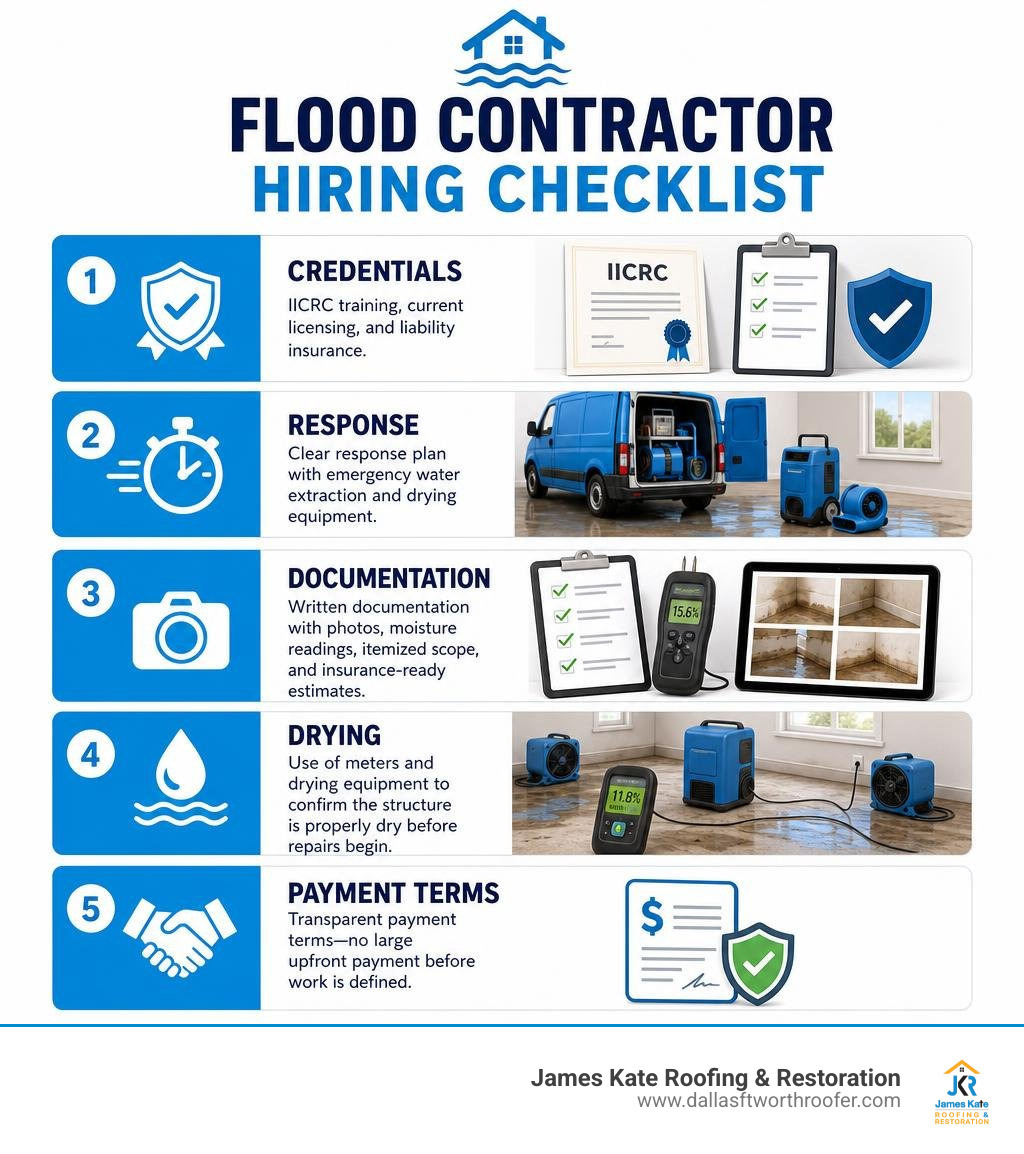
After a flood, hire a contractor who can respond quickly, document the damage, remove water, and prove the structure is dry before repairs begin. Start by asking for:
- IICRC water solar training, current licensing where required, and liability insurance.
- A clear response plan, including emergency water extraction and drying equipment.
- Written documentation with photos, moisture readings, an itemized scope, and insurance-ready estimates.
- Transparent payment terms that do not demand a large upfront payment before work is defined.
The right contractor does more than clean up visible water. They assess how far moisture traveled into flooring, walls, insulation, and roof-adjacent materials, then use meters and drying equipment to reduce the risk of mold and hidden damage. Avoid pressure tactics, vague estimates, and anyone who cannot explain their drying plan in plain language.
I’m Dustin Eatman, owner of James Kate Roofing & solar. My experience with insurance solar, damage documentation, scope alignment, and long-term property protection helps homeowners evaluate flood damage contractors with confidence before work begins.
Flood damage contractors terms to know:
What Qualifications and Certifications to Look for in Flood Damage Contractors
When water invades your home or commercial building across North Texas—whether in Mansfield, Arlington, Grand Prairie, Midlothian, or Granbury—hiring someone with a shop vac and a good attitude is simply not enough. Water remediation is a precise science governed by strict physics, psychrometry, and microbiology. Understanding how to choose the best flood clean up services starts with looking past flashy marketing and verifying fundamental technical credentials.
Every reputable contractor should carry substantial general liability insurance and active workers’ compensation policies. If an uninsured worker slips on a slick tile surface inside your damaged property, you could face immense financial liability. Always ask for a current Certificate of Insurance (COI) sent directly from the contractor’s insurance provider before authorizing work.
Beyond standard business insurance, verify their standing with the Institute of Inspection, Cleaning and solar Certification (IICRC). The IICRC sets the international benchmark standards (specifically the ANSI/IICRC S500 standard) for professional water damage mitigation. Contractors adhering to these rigorous guidelines understand the science of structural drying, air movement, and relative humidity balancing.
Essential Certifications for Flood Damage Contractors
When evaluating potential teams, look for these specific, industry-recognized individual and company-wide credentials:
- Water solar Technician (WRT): This core credential confirms that technicians understand water damage categories, basic psychrometry, containment principles, and the operational procedures needed to handle structural water intrusions safely.
- Applied Structural Drying (ASD): This advanced certification proves technicians can dry complex building assemblies, multi-layered flooring, and dense wall framing rapidly without requiring destructive tear-outs whenever safe and salvageable.
- Applied Microbial Remediation Technician (AMRT): Floodwaters carry mold spores, sewage contaminants, and biological hazards. An AMRT designation guarantees the crew knows how to perform containment, safe antimicrobial treatment, and hazardous particulate extraction under negative air pressure.
- OSHA Safety Compliance: Proper personal protective equipment (PPE), hazard communication, and structural safety procedures ensure safety during high-risk cleanup jobs.
Evaluating the Response Time of Flood Damage Contractors
Time is your most critical adversary when standing water is present. Knowing how to handle a sudden flood without losing your cool depends heavily on having access to true 24/7 emergency dispatch.
Within the first 24 to 48 hours of water intrusion:
- Drywall begins swelling, softening, and absorbing moisture like a sponge.
- Hardwood flooring begins cupping, warping, and crowning.
- Microscopic mold spores activate and begin colonizing porous surfaces.
- Clean water (Category 1) rapidly degrades into grey water (Category 2) or black water (Category 3) due to bacterial multiplication.
A trustworthy contractor should offer rapid mobilization throughout our local communities, arriving with truck-mounted extraction equipment and initial dehumidification units to halt secondary damage before it compounds the total solar scope.
How Specialists Assess Water Spread and Execute solar
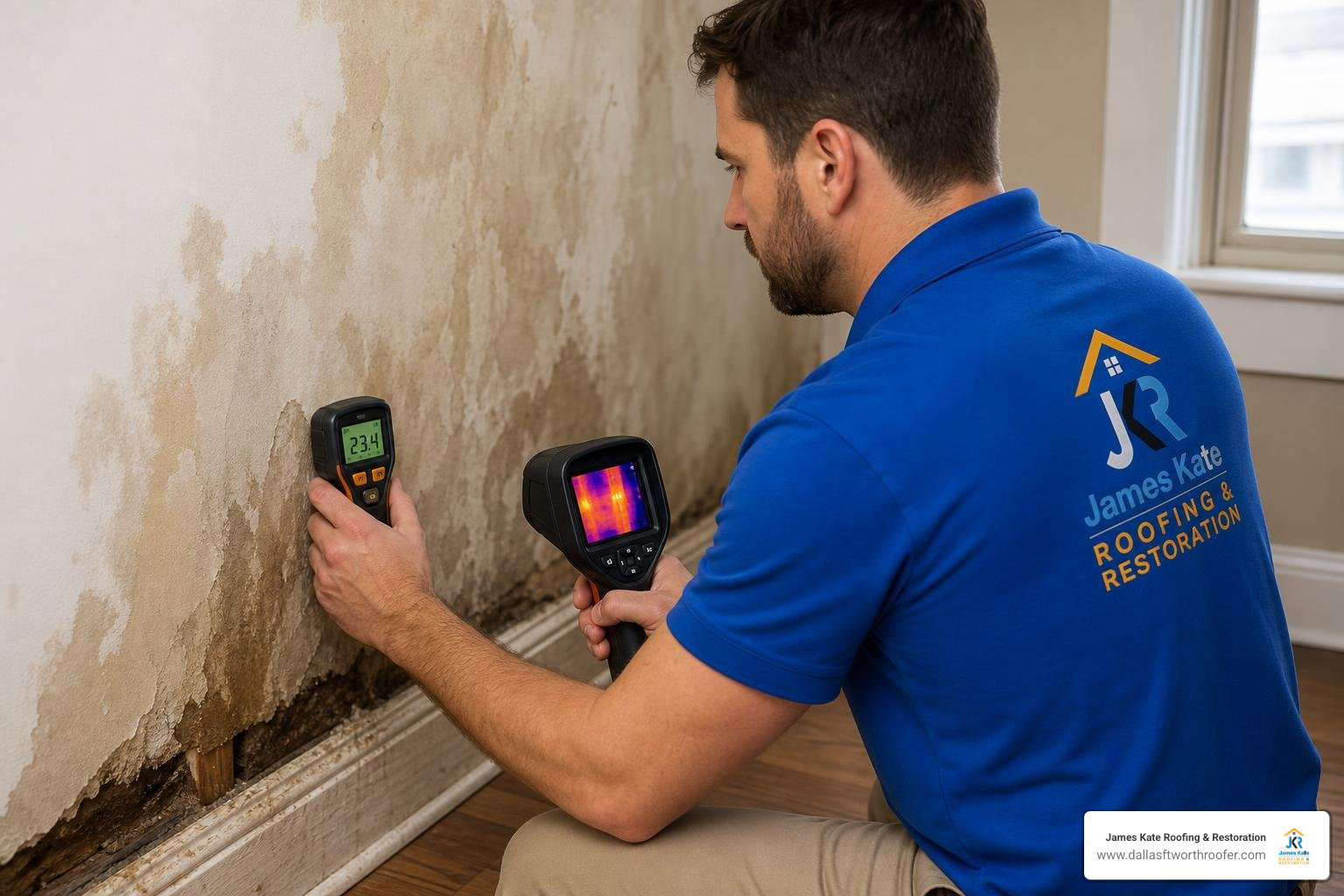
Water always follows the path of least resistance, flowing downward and outward behind baseboards, under subfloors, and into ceiling cavities. A professional assessment goes far deeper than a surface visual inspection.
solar specialists use specialized forensic tools to map the migration of moisture accurately:
- Infrared Thermal Imaging: Thermal cameras detect evaporative cooling, pinpointing hidden water pockets trapped inside wall cavities and subflooring without cutting drywall unnecessarily.
- Non-Invasive Moisture Meters: Radio-frequency meters scan surfaces rapidly to establish baseline moisture levels across wood, tile, and drywall without leaving puncture marks.
- Penetrating Pin-Type Meters: These instruments drive insulated pins deep into structural framing, sill plates, and subfloor layers to measure exact percentage moisture content (%MC).
- Thermo-Hygrometers: These devices monitor the drying environment’s ambient temperature, relative humidity (RH), and grains per pound (GPP) of moisture in the air.
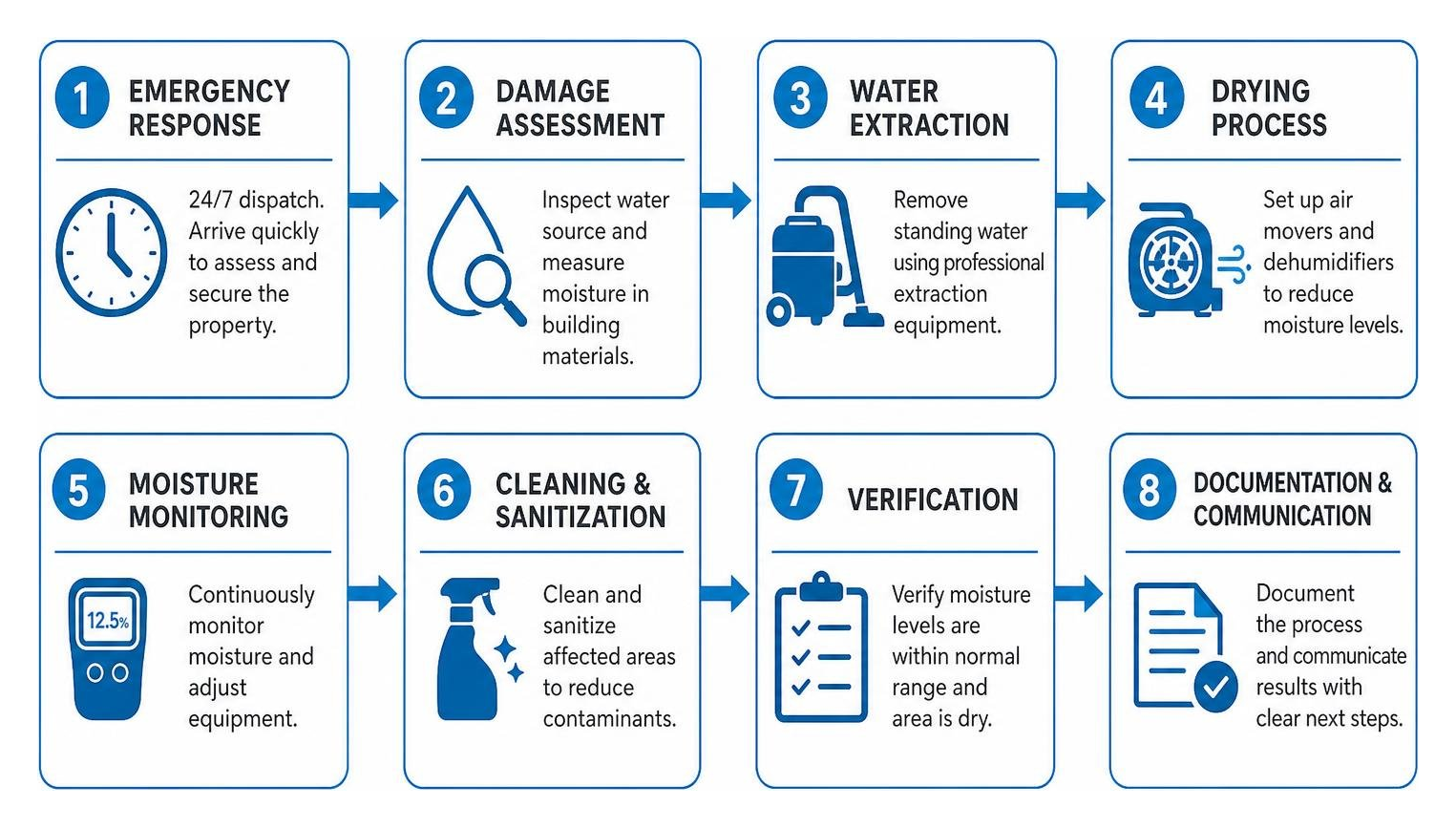
Once the moisture boundary is mapped, the extraction process begins immediately. Extracting standing water mechanically is hundreds of times faster and more cost-effective than removing water via evaporation alone. For soft surfaces, following from puddle to plush: a guide to flooded carpet cleanup allows specialists to determine whether carpet padding must be discarded or if the carpet assembly can be saved through specialized subsurface extraction.
Following bulk water removal, teams deploy commercial low-grain refrigerant (LGR) or desiccant dehumidifiers paired with high-velocity centrifugal air movers. Technicians also apply EPA-registered botanical or broad-spectrum antimicrobials to inhibit mold proliferation and neutralize odors, taking daily psychrometric readings until structural elements reach their dry standard equilibrium.
Navigating Insurance Claims and Documentation Requirements
Handling an unexpected flood is stressful enough without getting tangled in complex insurance paperwork. Top-tier contractors manage the technical documentation from day one to ensure your insurer has the clear, undeniable data needed to process your claim.
Reviewing a comprehensive water damage checklist: what to do right after the flood will remind you to take photos before anything is moved. From there, your mitigation team takes over the technical reporting:
- Detailed Photographic Evidence: Pre-mitigation, in-progress, and post-drying high-resolution photos documenting every affected room, damaged personal property item, and structural component.
- Daily Psychrometric Drying Logs: Daily logs proving temperature, relative humidity, and moisture readings were tracked methodically until dry standards were met.
- Moisture Mapping Diagrams: Clear floorplans marking the exact boundary lines where moisture traveled.
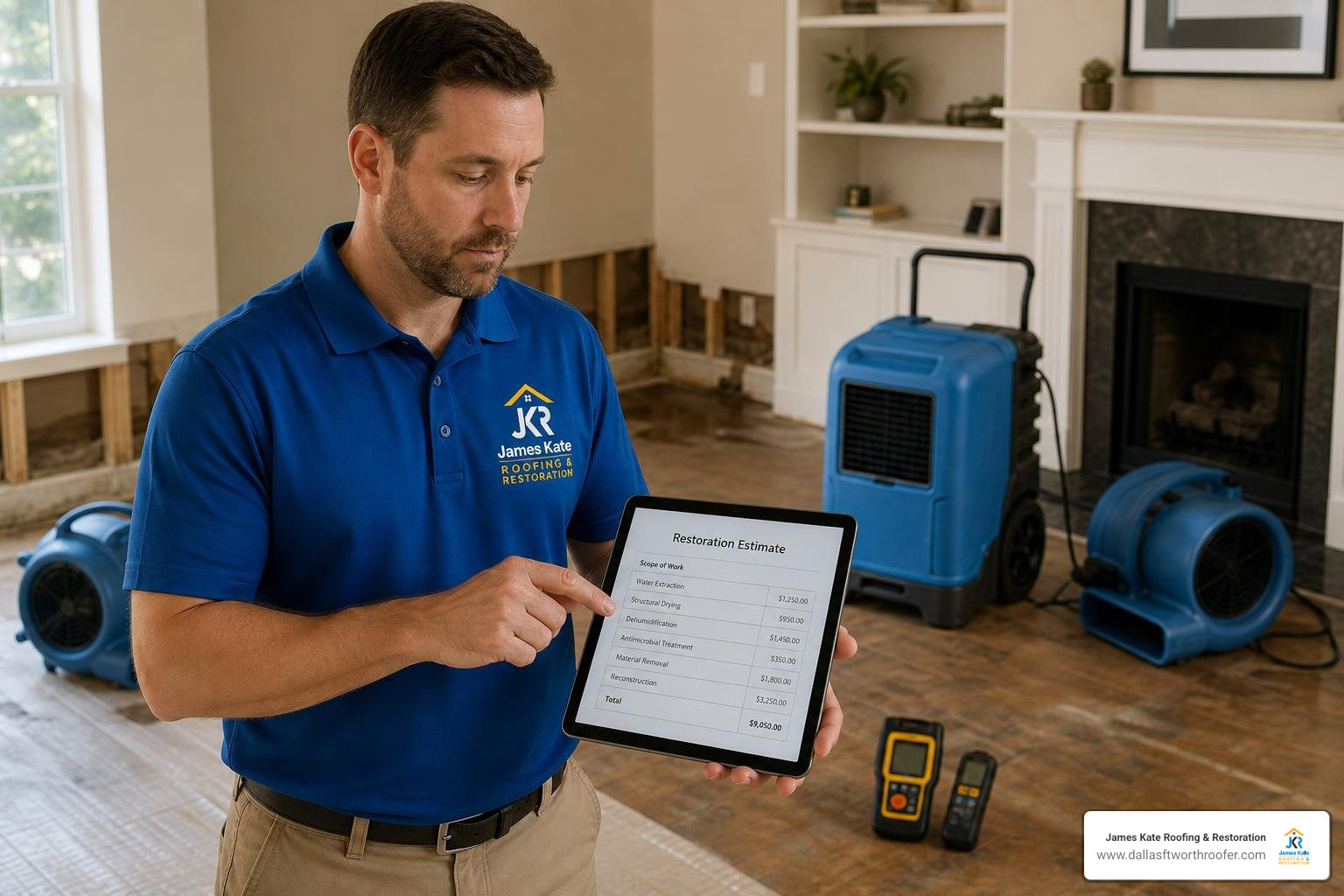
- Xactimate Line-Item Estimates: Most property insurance carriers require estimates written in Xactimate, the industry-standard estimating software. When contractors submit itemized scopes using standardized pricing codes, adjusters can approve claims faster without pricing disputes.
A professional contractor works directly alongside your insurance adjuster, walking the property together to align on the scope of work so you are not caught between competing assessments.
solar Costs, Payment Structures, and Red Flags to Avoid
Understanding project pricing protects you from predatory pricing and incomplete work. For detailed cost expectations, consult our guide on water damage repair costs: a comprehensive guide to what you’ll pay as well as the ultimate guide to flood damage solar costs for broader budget planning.
Legitimate contractors utilize progressive payment milestones tied to clear project deliverables—such as completing mitigation, passing structural moisture checks, and finishing build-back phases—rather than demanding full payment upfront.
| Professional Contractor Standards | Scam / “Storm Chaser” Red Flags |
|---|---|
| IICRC-Certified technicians with proof of local insurance & licensing | Unlicensed, unmarked vehicles with out-of-state license plates |
| Clear, itemized Xactimate estimates with standardized industry pricing | Demands large, upfront cash deposits or endorsed insurance checks |
| Scientific moisture mapping with daily psychrometric dry logs | Claims property is “dry” after 24 hours based solely on touch |
| Comprehensive service: Handles emergency mitigation through full build-back | Leaves after ripping out drywall, leaving the property unfinished |
| Direct coordination with your insurance adjuster on documentation | Pressures you to sign blanket, confusing Assignment of Benefits (AOB) contracts |
Beware of opportunistic out-of-state contractors who travel into North Texas following major storms. These operators frequently execute aggressive, destructive tear-outs, collect initial insurance checks, and disappear before completing the build-back phase, leaving homeowners with bare studs and no recourse.
Frequently Asked Questions About Flood Remediation
How fast do professionals need to begin drying a property?
Emergency structural drying must start within 24 to 48 hours of the initial water intrusion. Mold spores thrive in warm, damp environments and can begin multiplying on drywall paper, carpet backing, and wood framing in as little as 24 hours. Fast water extraction and immediate dehumidification stop biological amplification and protect structural integrity.
Can structural framing and drywall be salvaged after a flood?
It depends heavily on the water category and duration of exposure. Clean water from an overhead supply line often allows drywall and framing to be dried in place using specialized cavity drying equipment if addressed quickly. However, black water intrusions (such as rising ground floodwaters or sewage backups) require porous materials like drywall, insulation, and carpet padding to be removed and discarded up to a safe margin above the water line, while solid framing studs are sanitized, treated with antimicrobials, and dried thoroughly.
Does standard property insurance cover full solar services?
Standard homeowners and commercial property policies typically cover sudden and accidental internal water damage (like a burst pipe or water heater failure). However, damage caused by external rising surface water, overflowing rivers, or heavy storm runoff generally requires a dedicated flood insurance policy through the National Flood Insurance Program (NFIP) or a private flood insurer. Your contractor can help identify the cause of loss and provide the itemized documentation required by your specific carrier.
Conclusion
Recovering from water damage requires a structured approach, certified technical skill, and an honest partner who prioritizes your property’s safety. At James Kate Roofing & solar, we are a family-owned North Texas business built on integrity, clear communication, and Biblical principles. From immediate water extraction and structural drying to complete build-back construction and roof repairs backed by our GAF President’s Club standing, we handle the entire recovery journey under one roof.
If you are facing water intrusion in Mansfield, Arlington, Grand Prairie, Midlothian, or Granbury, explore our expert solar services or contact us today to protect your property.
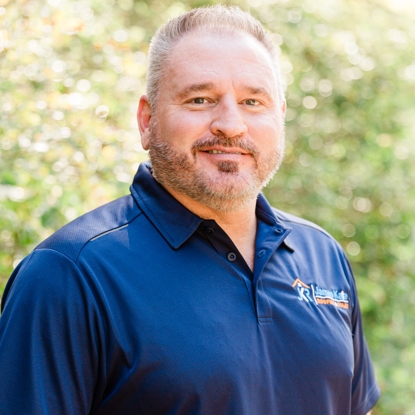
Dustin Eatman is a seasoned roofing professional with deep, hands-on expertise that spans residential and commercial roofing, insurance solar, and long-term roof asset management. As the owner of James Kate Roofing & solar in the Dallas–Fort Worth metroplex, he’s built a reputation for diagnosing roof systems accurately, communicating clearly, and executing projects with a high standard of workmanship and documentation. Dustin understands the technical details that make roofs perform—proper underlayment selection, slope and drainage considerations, ventilation strategy, flashing and penetration detailing, and manufacturer-specific installation requirements—because he’s worked through the real-world challenges that cause leaks, premature wear, and warranty issues. He’s equally fluent in the operational side of roofing: jobsite planning, quality control, safety, material ordering, crew coordination, and customer experience from inspection to closeout. In insurance-related projects, Dustin brings practical knowledge of claim workflows, adjuster meetings, scope alignment, supplements, and the importance of photo evidence and thorough records, helping property owners navigate stressful situations with confidence. For commercial clients—especially property and facility managers—he emphasizes proactive maintenance and targeted repairs that reduce disruption, extend roof life, and prevent expensive interior damage. Dustin also stays focused on doing things the right way: educating customers on realistic options, setting expectations, and prioritizing solutions that hold up over time rather than quick fixes. That blend of technical skill, field experience, process discipline, and owner-level accountability is what makes Dustin Eatman a trusted expert in the roofing industry.