What Does It Cost to Remove Mold From a Home in 2026?
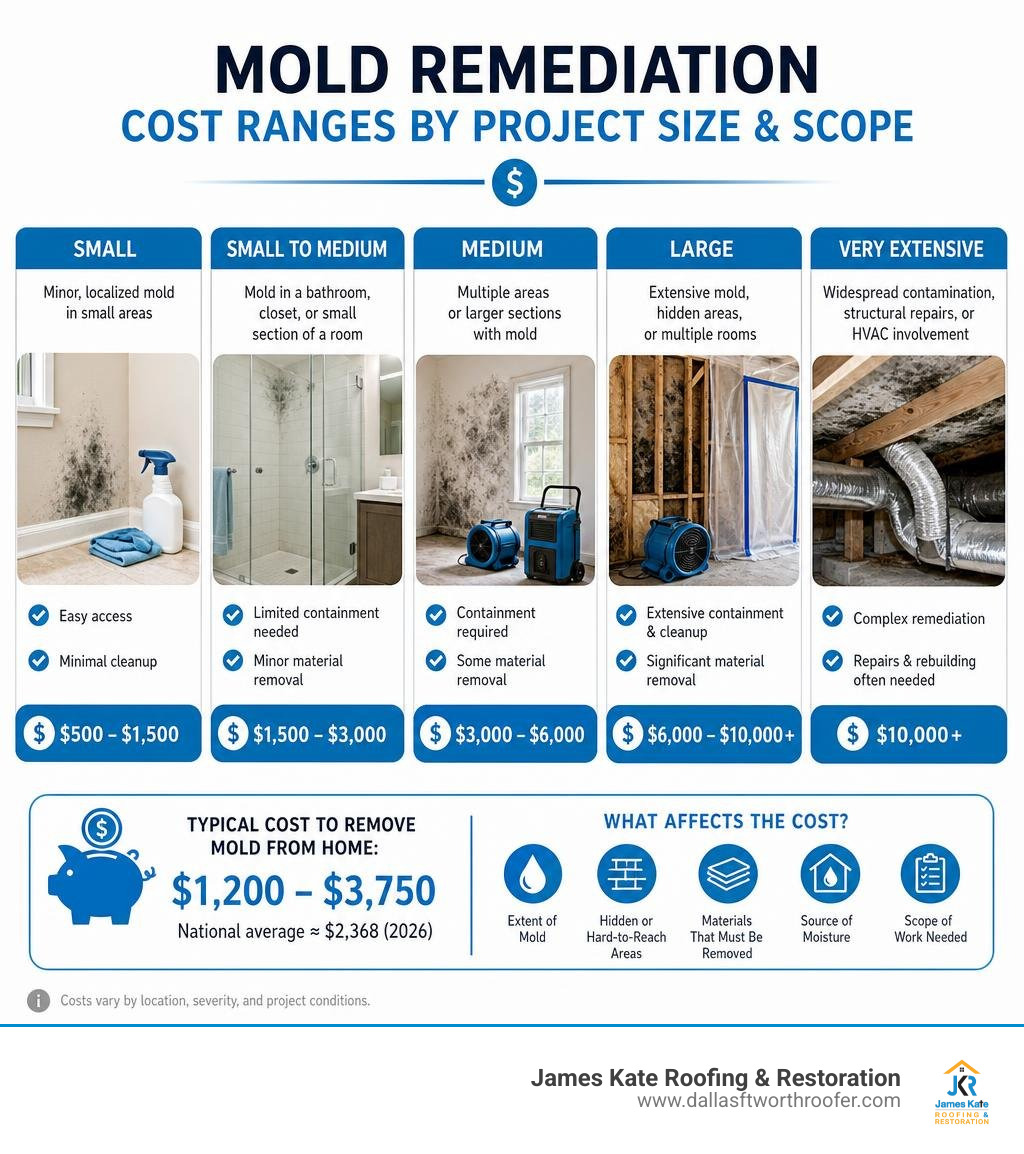
The typical cost to remove mold from home is about $1,200 to $3,750, with a national average near $2,368 in 2026. Small, contained jobs may cost $500 to $1,500, while extensive contamination, hidden growth, HVAC involvement, or major material removal can raise the total well beyond $6,000.
Your final price depends less on the color of the mold and more on the scope of work: how far it has spread, whether it is inside walls or other hard-to-reach areas, what materials must be removed, and whether the moisture source has been repaired. A reliable estimate should separate remediation, moisture repairs, testing, and rebuilding so there are no surprises later.
I am Dustin Eatman, owner of James Kate Roofing & solar, with hands-on experience diagnosing roof and water-related damage that can affect the cost to remove mold from home. Clear documentation, accurate scopes, and fixing the source of moisture are essential before remediation begins.
Cost to remove mold from home word guide:
Breakdown of the Average Cost to Remove Mold from Home
When discovering fungal growth in your living space, knowing what goes into an estimate helps you avoid surprises. Over the last several years leading into 2026, the national average cost for professional remediation has settled around $2,200 to $2,368 per project, reflecting a 17.7% increase since 2022 due to rising equipment, fuel, and labor costs. Most standard residential projects fall between $500 and $6,000, though whole-structure remediation can exceed $10,000 to $30,000.
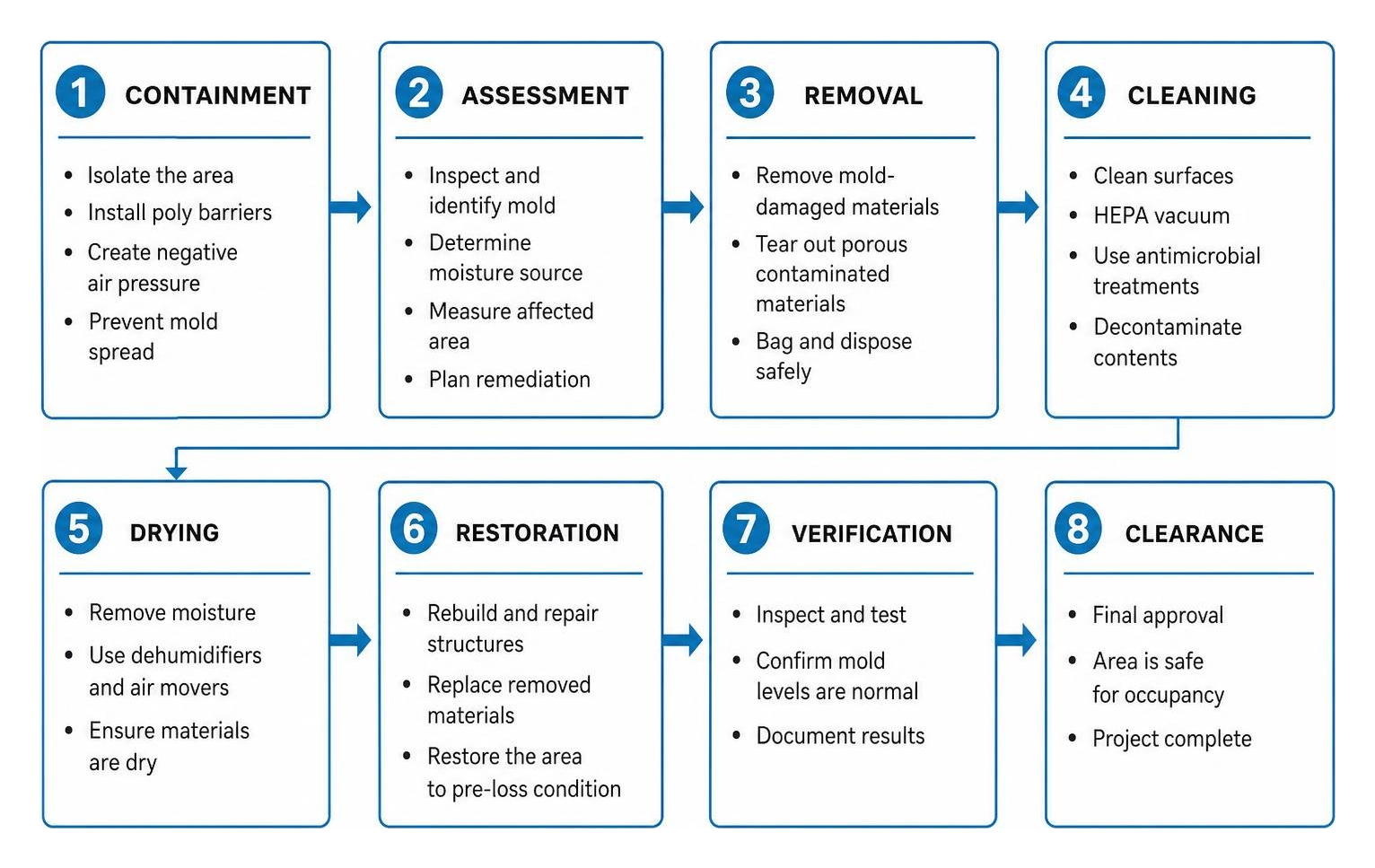
Understanding what is mold mitigation and how does it compare to remediation is essential for budgeting. Mitigation focuses on immediate containment and drying out moisture to stop mold from spreading, whereas full remediation encompasses physical removal, specialized cleaning, HEPA air filtration, and structural sanitization.
| Project Scope / Location | Typical Cost Range (2026) | Key Inclusions |
|---|---|---|
| Small Spot Job (<10 sq ft) | $500 – $1,500 | Surface treatment, basic isolation, HEPA vacuuming |
| Moderate Room (10–100 sq ft) | $1,500 – $3,500 | Poly containment, air scrubbing, drywall tear-out |
| Large Multi-Room (100+ sq ft) | $3,000 – $6,000+ | Negative air pressure, multi-room containment, deep disposal |
| Attic Space | $1,000 – $4,000 | Sheathing treatment, insulation removal, chemical fogging |
| Crawl Space | $500 – $2,000 | Subfloor wire brushing, antimicrobial wash, drying |
| Bathroom (Surface vs. Sub-tile) | $500 – $1,000+ | Vanity removal, tile tear-out, localized HEPA scrubbing |
| HVAC & Ductwork System | $3,000 – $10,000 | System isolation, trunk line sanitization, coil cleaning |
| Whole-House Remediation | $10,000 – $30,000 | Full environmental containment, extensive structural removal |
Most certified solar firms charge a standard minimum labor callout (typically covering a 2-hour minimum block) ranging from $250 to $500. This ensures specialized technicians, safety gear, and containment equipment arrive properly prepared for site setup.
Square Footage and the Cost to Remove Mold from Home
On a per-square-foot basis, remediation pricing scales according to accessibility and surface porosity. For standard, accessible surface areas (such as visible framing or non-porous materials), rates generally range from $10 to $25 per square foot. When mold penetrates hidden wall cavities, insulation, or overhead rafters, unit pricing climbs to $15 to $30 per square foot.
According to HomeCostCalc’s remediation cost estimator, national projects average around $32 per square foot across all tiers. Baseline surface wipe-downs start at approximately $2.30 to $2.80 per square foot for simple chemical application, whereas complete physical tear-outs of saturated porous materials can reach $48 to $62 per square foot when including equipment mobilization and disposal fees.
Specific Household Locations and Accessibility Challenges
Accessibility plays a major role in total project costs. Treating open spaces requires less time and equipment than dealing with tight, restricted areas:
- Attic Spaces ($1,000 – $4,000): Poor roof ventilation, damaged shingles, or bathroom exhaust fans venting directly under the roof deck often trap moisture. Remediation requires crawling between joists, removing blown-in insulation, and treating structural roof decking. Learning how to safely evict mold from your attic helps avoid costly framing deterioration.
- Crawl Spaces ($500 – $2,000): Ground moisture, foundation vents, and high humidity create ideal breeding grounds beneath subflooring. Technicians must work in confined quarters using protective ground poly and negative air machines to scrub spores before they migrate into living areas above.
- Bathroom Walls ($500 – $1,000+): When moisture seeps behind shower surrounds or around leaky toilets, localized drywall mold remediation procedures become necessary. If fungal colonies extend behind tiled walls or under subflooring, prices rise to account for demolition and fixture removal.
- HVAC Systems ($3,000 – $10,000): Contaminated ductwork poses an immediate threat to indoor air quality by circulating spores through every room. Remediation requires sealing all supply and return registers, cleaning the air handler, sanitizing duct lines, and replacing contaminated flex ducting.
Major Factors Influencing Remediation Project Pricing
Beyond square footage and location, several underlying factors determine whether your remediation bill trends toward the lower or higher end of national averages.
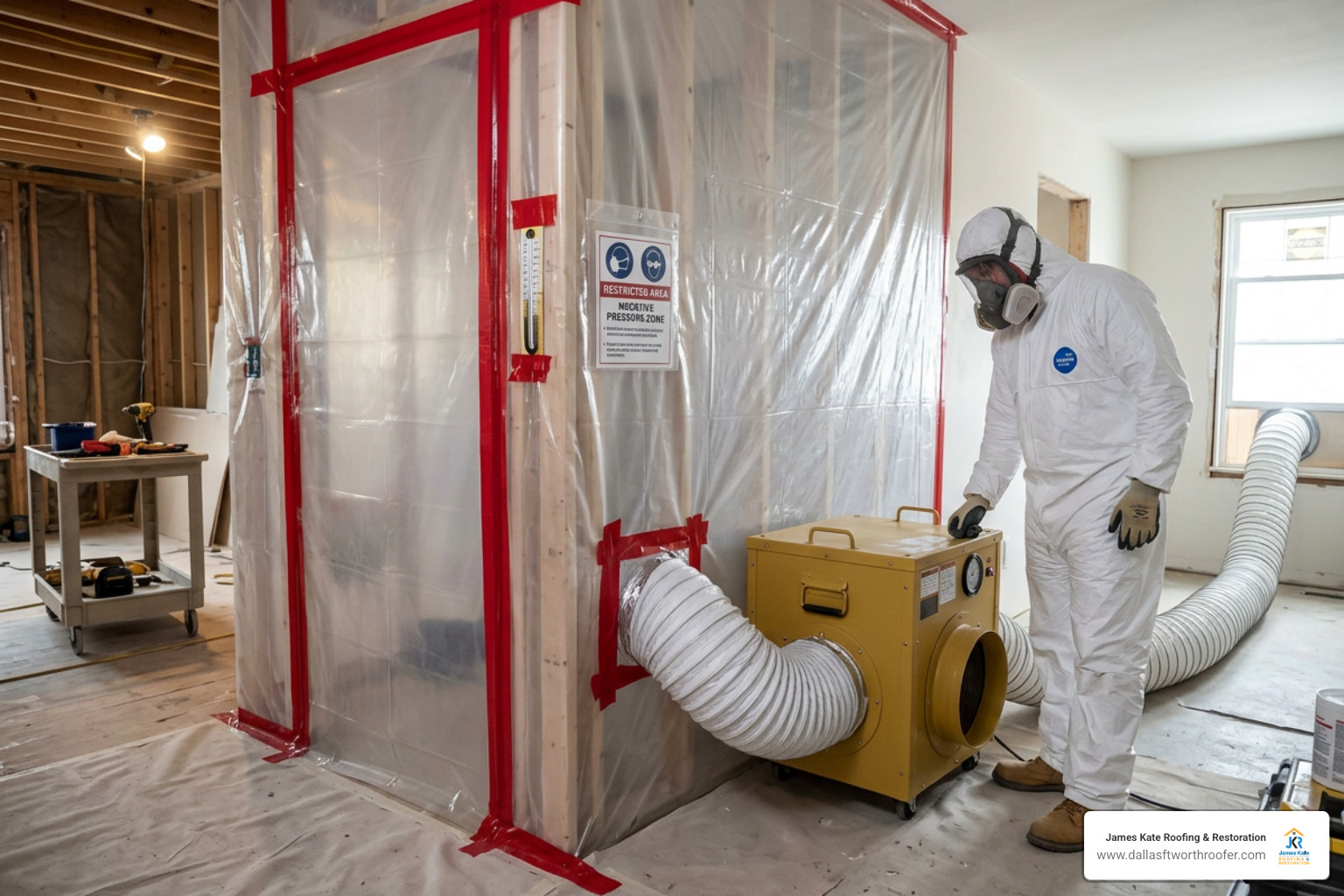
Project price distributions typically break down into five core components:
- Containment and Active Remediation (61%): Plastic zip-wall chambers, negative air pressure machines, antimicrobial treatments, and technician labor.
- Material Removal and Disposal (14%): Bagging contaminated drywall, insulation, and carpet in heavy 6-mil poly bags to prevent cross-contamination during transit.
- Remediation Labor (12%): Specialized hourly rates for certified technicians managing active cleaning.
- Air Treatment and Scrubbing (7%): Continuous operation of commercial-grade HEPA air scrubbers (which typically rent at $200 to $400 per day per unit).
- Site Prep and Final Cleanup (6%): Post-work vacuuming, surface wipe-downs, and waste removal.
General contractor supervision can add 13% to 22% onto baseline costs when multiple specialty trades—such as HVAC technicians, plumbers, and drywall installers—must coordinate on a single project.
How Toxic Strains Impact the Cost to Remove Mold from Home
While all mold species should be treated with care, aggressive varieties like Stachybotrys chartarum (often called toxic black mold) require heightened safety protocols. Black mold thrives on materials with high cellulose and low nitrogen content—such as drywall paper, wood subflooring, and ceiling tiles—after prolonged moisture exposure.
Remediating toxic strains costs 25% to 50% more than standard mold removal, running $20 to $30 per square foot (or $1,000 to $6,000 for a 50 to 200 sq ft area). These additional costs stem from strict requirements:
- Technicians must wear full-face respirators equipped with P100 HEPA filters and sealed Tyvek suits.
- The work zone requires rigid, airtight containment chambers with dedicated negative air machines exhausting outdoors.
- Specialized disposal protocols prevent spores from escaping into unaffected rooms during haul-off.
- Hiring specialists for expert black mold remediation ensures rigorous compliance with IICRC S520 guidelines, keeping your home safe during active demolition.
Hidden Moisture Sources and Structural Contamination
Mold cannot grow without sustained moisture. Addressing visible spores while ignoring the water intrusion guarantees the infestation will return within weeks.
Common root causes include:
- Roof Failures: Missing shingles, damaged pipe boots, or deteriorated valley flashing allow rainwater to saturate attic decking and drywall ceilings. Comprehensive water damage mold repair resolves both the structural leak and the resulting fungal growth.
- Plumbing Failures: Slow pinhole leaks inside wall cavities can run undetected for months, rotting wood studs and baseboards.
- Elevated Indoor Humidity: In humid climates like North Texas (including communities like Mansfield, Arlington, Grand Prairie, Midlothian, and Granbury), indoor relative humidity exceeding 50% can trigger mold growth along ceiling corners, exterior wall interiors, and AC vents without an active liquid leak.
Mold Inspection, Testing, and Reconstruction Expenses
Estimating a mold remediation project requires understanding the difference between testing, active remediation, and the subsequent rebuild. Grouping these separate scopes into a single un-itemized quote often creates unexpected out-of-pocket costs.

According to UseCalcPro’s 2026 mold removal pricing analysis, smart homeowners treat remediation and reconstruction as distinct phases with clear, transparent line items.
Independent Inspection and Clearance Testing
Before paying for remediation, hiring an independent mold inspector provides an objective scope of work. A pre-remediation inspection typically costs between $300 and $1,000 (averaging roughly $670), depending on home size and the number of air samples collected.
Key inspection and testing benchmarks include:
- Visual Assessment ($300 – $500): A certified inspector checks moisture levels, thermal imaging data, and relative humidity throughout the property.
- Laboratory Sample Analysis ($75 – $125 per sample): Air cassettes and surface tape lifts identify exact spore counts and mold species, confirming whether toxic strains are present.
- Post-Remediation Clearance Testing ($300 – $800): Also known as Post-Remediation Verification (PRV), this third-party test confirms spore counts inside the contained work area are equal to or lower than outdoor background levels before plastic barriers are removed.
Following essential rules for professional mold inspection means keeping your testing provider independent from your remediation contractor, ensuring completely unbiased clearance results.
Rebuild and Build-Back Construction Costs
Demolition is often required to eliminate mold embedded in porous materials. However, remediation quotes typically cover only containment, tear-out, and sanitization—not putting the room back together.
Rebuilding the affected area adds the following typical costs:
- Drywall Hanging, Taping, and Texturing: $1.50 to $3.50 per square foot ($300 to $825 per standard wall section).
- Interior Painting and Priming: $2.00 to $4.50 per square foot (including mold-resistant primer).
- Insulation Replacement: $1.20 to $2.50 per square foot for fiberglass batts or blown-in cellulose.
- Baseboards and Trim: $4.00 to $9.00 per linear foot installed and painted.
When budgeting, always ask your contractor for two clear numbers: the mitigation and sanitization cost, and the rebuild estimate to restore your home to its original condition.
Insurance Coverage and Smart Budgeting Strategies
Navigating homeowners insurance for mold damage can be challenging. Standard policies (HO-3 forms) generally exclude mold resulting from long-term deferred maintenance, high indoor humidity, or persistent, slow leaks.
However, if mold develops directly from a sudden and accidental covered peril—such as a ruptured supply line, a storm-damaged roof, or a failed water heater—remediation is often covered under the resulting water damage claim. Knowing how to quickly handle mold after a leak helps preserve your coverage eligibility.
Navigating Policy Sub-Limits and Claim Filing
Even when insurance covers your claim, most insurers enforce a specific mold sub-limit. While the underlying water mitigation and structural drying might be covered up to your full dwelling limit, the mold-specific portion of the claim is often capped between $1,000 and $10,000.
To maximize your coverage:
- Lead with the Sudden Water Event: File your claim citing the specific cause (e.g., “burst pipe behind master shower” or “storm roof leak”) rather than simply reporting “mold on the wall.”
- Document Immediately: Take clear, date-stamped photos and videos of the active leak, structural water damage, and initial fungal growth before removing materials.
- Preserve Damaged Parts: Keep failed plumbing fittings or roof components for the insurance adjuster’s inspection.
- Obtain Itemized Scopes: Ensure your solar contractor separates drying and water extraction costs from mold remediation line items to avoid exhausting your mold sub-limit prematurely.
Practical Ways to Reduce Remediation Expenses Safely
Remediating mold safely does not mean overpaying. Homeowners can take several practical steps to manage costs without sacrificing safety:
- Act Within 24 to 48 Hours: Mold spores germinate within 24 to 48 hours of water exposure. Rapid drying stops mold before extensive colony development occurs.
- Focus on Budget Protection: Simple strategies for protecting your budget from excessive remediation costs include requesting itemized estimates from certified professionals and securing independent clearance testing before releasing final payments.
- Maintain Indoor Humidity Below 50%: Run exhaust fans for at least 20 minutes after showers, ensure kitchen range hoods vent outdoors, and use dedicated dehumidifiers during hot, humid Texas summers.
- Inspect Roof and Flashing Annually: Catching small roof penetrations and gutter clogs early prevents attic moisture from fueling hidden microbial growth over time.
Frequently Asked Questions About Mold Removal Costs
How much does professional mold remediation cost per square foot in 2026?
Professional mold remediation typically costs between $10 and $25 per square foot for accessible surfaces. When mold is hidden inside wall cavities or attics, costs range from $15 to $30 per square foot. Removing toxic black mold (Stachybotrys) with full containment and negative air filtration averages $20 to $30 per square foot.
Does homeowners insurance cover mold removal after a leak?
Homeowners insurance covers mold remediation only if it stems directly from a sudden and accidental covered peril, such as a burst plumbing pipe or storm roof damage. If the damage resulted from gradual seepage or neglected maintenance, claims are typically denied. Most policies also impose a mold endorsement cap between $1,000 and $10,000.
Why must the moisture source be repaired before mold remediation?
Mold requires moisture and organic cellulose to survive. Cleaning or tearing out mold without eliminating the water intrusion leaves residual airborne spores free to recolonize the area within 48 hours. Most remediation contractors will void their workmanship warranties if the underlying leak or humidity problem remains uncorrected.
Conclusion
Understanding mold removal costs allows you to make informed decisions for your home and family. By separating containment, sanitization, moisture repair, and build-back construction into clear phases, you can protect both your indoor air quality and your budget.
At James Kate Roofing & solar, we are a family-owned DFW company providing top-tier roofing and solar services. Built on honesty, integrity, and Biblical principles, our work is recognized with GAF President’s Club standing and supported by up to a 25-year workmanship warranty. From initial water mitigation and roof repair to mold containment and complete build-back construction, we guide you through every step.
If you suspect mold growth following a roof leak or plumbing issue in Mansfield, Arlington, Granbury, Grand Prairie, or Midlothian, contact our team today for professional mold remediation services you can trust.

Dustin Eatman is a seasoned roofing professional with deep, hands-on expertise that spans residential and commercial roofing, insurance solar, and long-term roof asset management. As the owner of James Kate Roofing & solar in the Dallas–Fort Worth metroplex, he’s built a reputation for diagnosing roof systems accurately, communicating clearly, and executing projects with a high standard of workmanship and documentation. Dustin understands the technical details that make roofs perform—proper underlayment selection, slope and drainage considerations, ventilation strategy, flashing and penetration detailing, and manufacturer-specific installation requirements—because he’s worked through the real-world challenges that cause leaks, premature wear, and warranty issues. He’s equally fluent in the operational side of roofing: jobsite planning, quality control, safety, material ordering, crew coordination, and customer experience from inspection to closeout. In insurance-related projects, Dustin brings practical knowledge of claim workflows, adjuster meetings, scope alignment, supplements, and the importance of photo evidence and thorough records, helping property owners navigate stressful situations with confidence. For commercial clients—especially property and facility managers—he emphasizes proactive maintenance and targeted repairs that reduce disruption, extend roof life, and prevent expensive interior damage. Dustin also stays focused on doing things the right way: educating customers on realistic options, setting expectations, and prioritizing solutions that hold up over time rather than quick fixes. That blend of technical skill, field experience, process discipline, and owner-level accountability is what makes Dustin Eatman a trusted expert in the roofing industry.